RFQ & Program Launch
How to Prepare an RFQ for Custom Cable Assemblies
A useful RFQ gives MTTJ one clear build baseline. Start with the latest drawing or sample, then identify the connectors, cable construction, quantity, tests, records, packing, and destination details that affect the quote.
Prepared by MTTJPublished: Updated:
Decision summary
What to carry into the decision
- Use one drawing, sample, or marked-photo baseline so every quotation refers to the same assembly.
- Separate fixed part numbers from acceptable alternatives before material sourcing begins.
- Name the test method, record format, packaging, quantity profile, and destination instead of asking for a generic complete quote.
Start with the drawing package
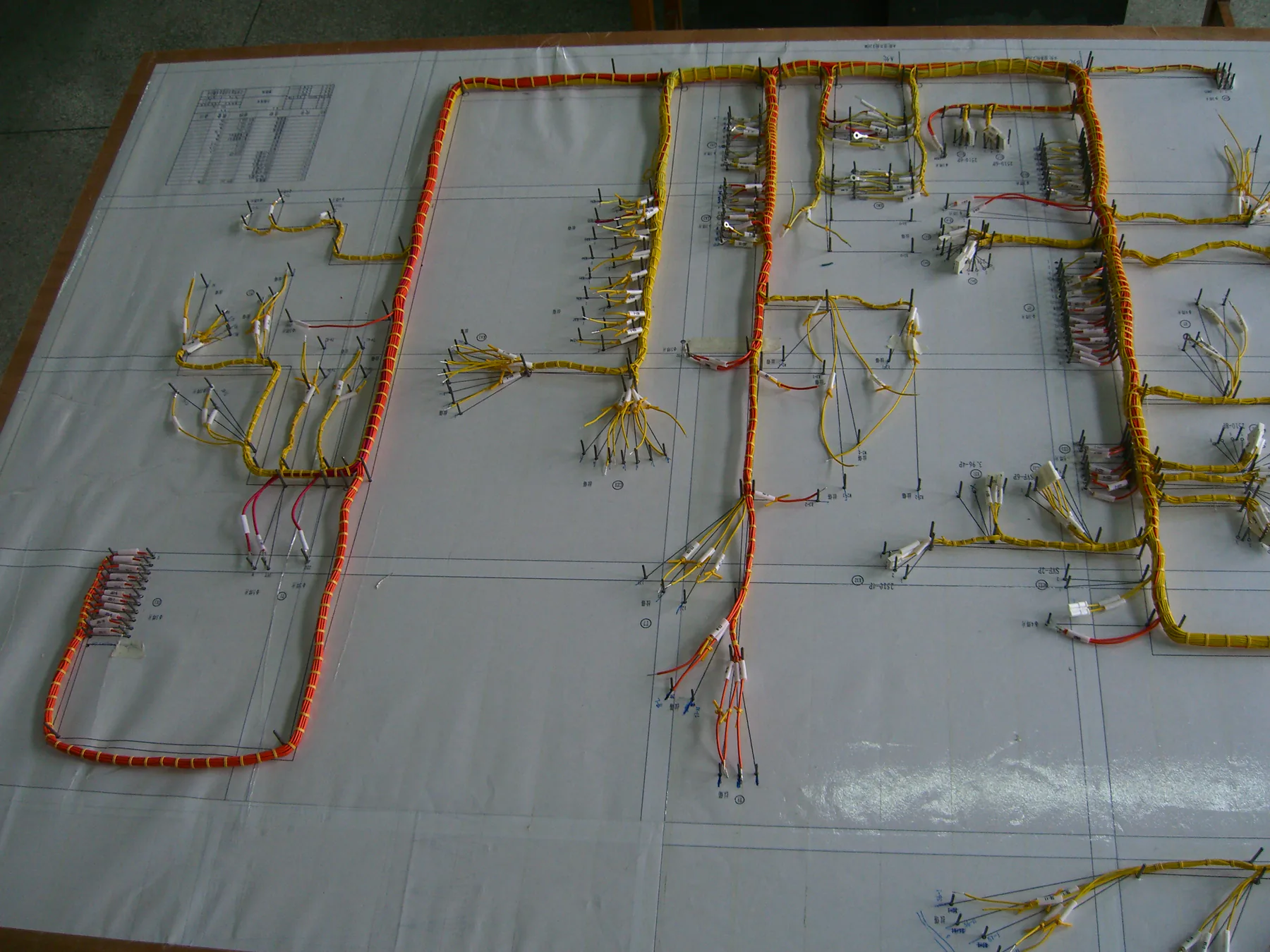
Send the latest drawing, sketch, schematic, or harness layout, and mark preliminary drawings clearly so the first quote uses one visible build baseline.
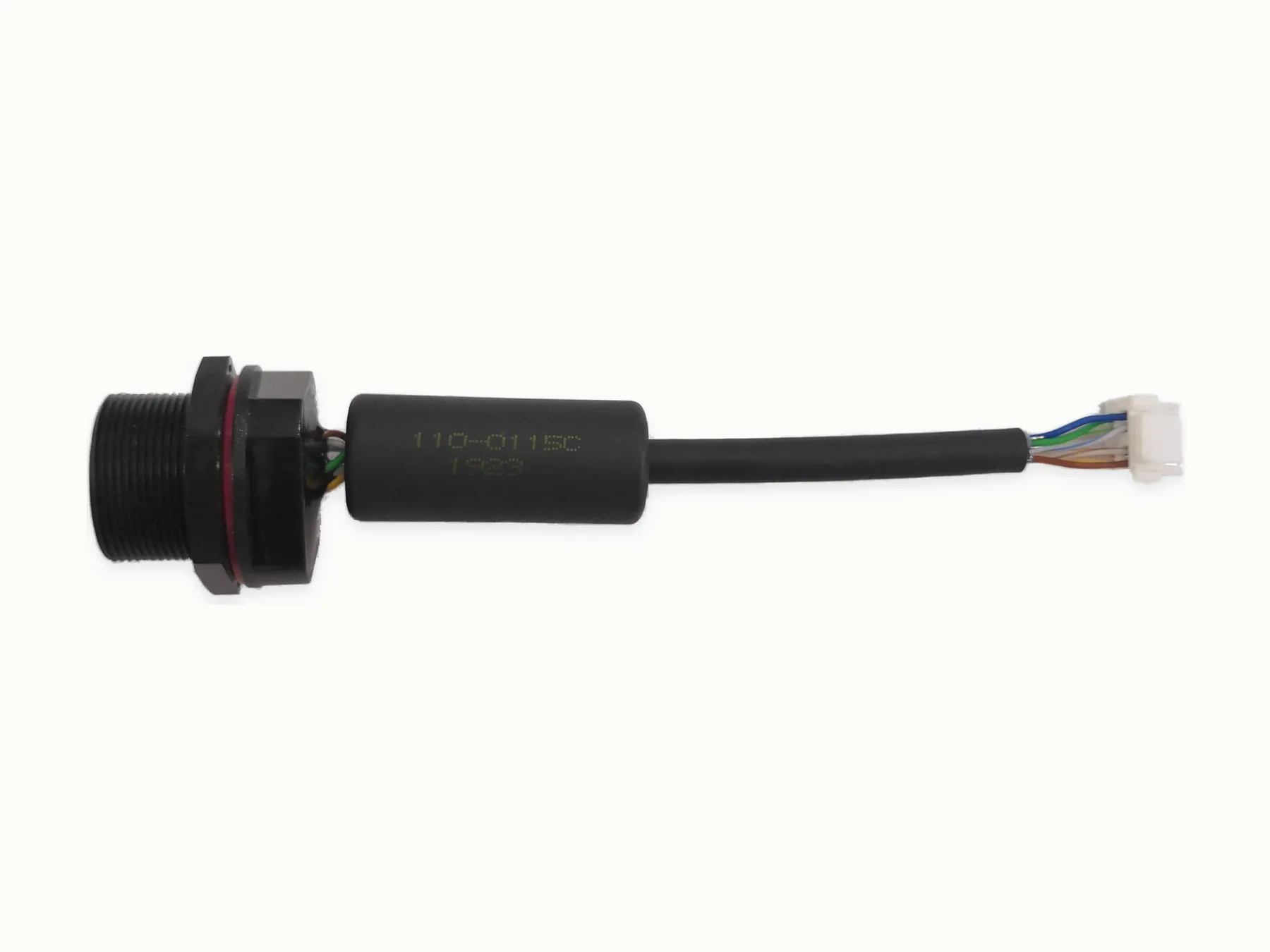
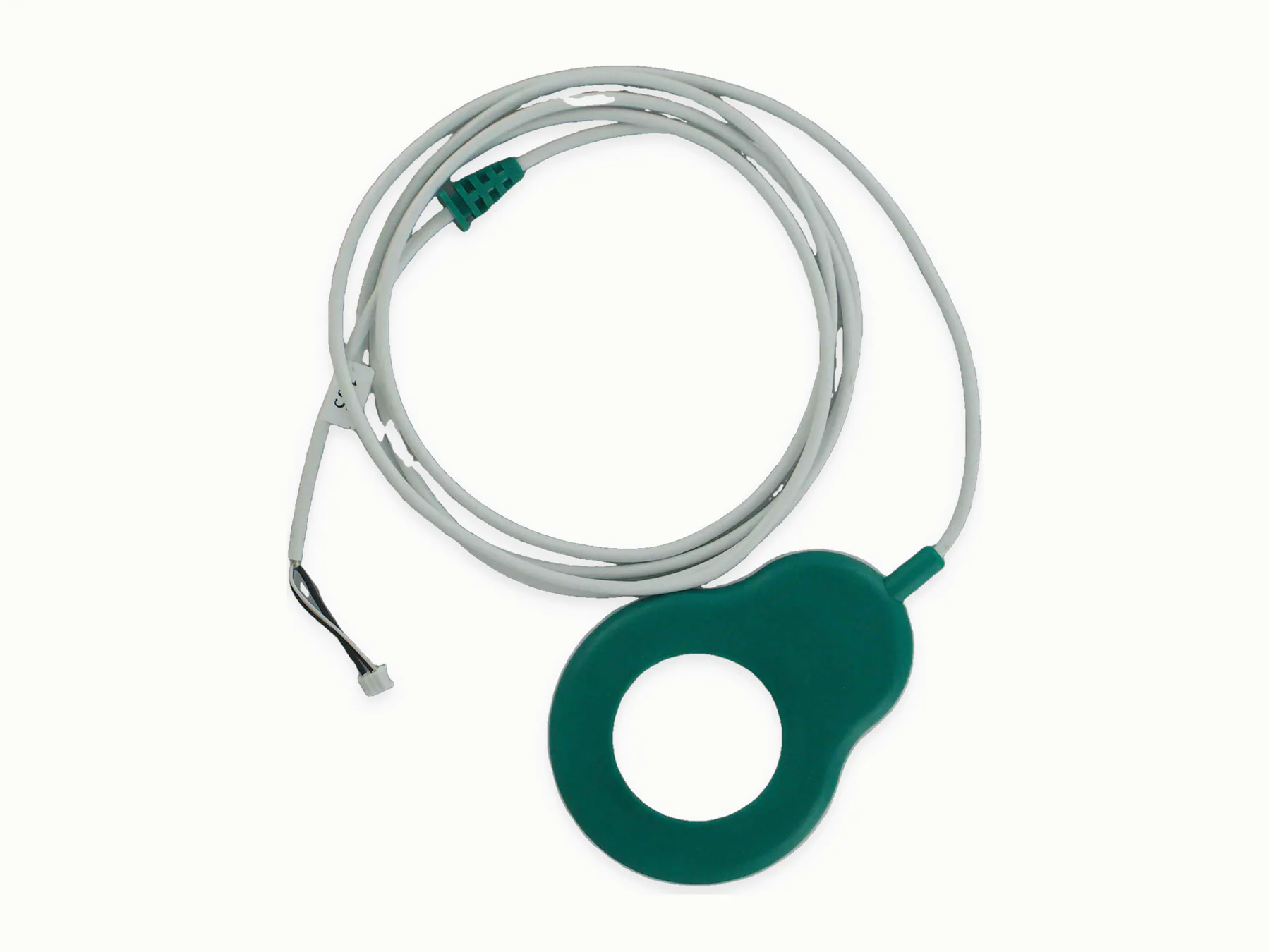
Include cable length, connector orientation, pinout, branch dimensions, labels, overmold geometry, routing notes, packaging notes, and any no-substitution parts.
For a sample-led inquiry, add marked photos that identify the measured points, mating connector, cable exit, and any detail that should remain unchanged.
List electrical and mechanical requirements
List wire gauge, conductor count, cable type, shielding, jacket material, connector part numbers, strain relief needs, and the intended application environment.
If the assembly has flexing, sealing, vibration, moisture, oil, UV, or temperature exposure, include the condition and any test method the end equipment program expects.
Specify tests, records, and market constraints
List continuity, polarity, hi-pot, insulation resistance, functional, visual, dimensional, or requested checks. Add voltage, pressure, fixture needs, pass/fail criteria, and record format when they affect the quote.
If a certification or material document is expected, name the standard, part number, material, target market, and whether the document applies to a component or the finished assembly.
Keep certificate, material, inspection, label, packing, and shipment-record requests tied to the quoted assembly and the supplied project scope.
Target market and requested documentation
A clear RFQ helps engineering and sales check drawings, materials, testing, required compliance documents, quantity, and delivery expectations without repeated clarification.
Material, inspection, shipment, or requested records should be listed with the inquiry.
Use a quotation comparison sheet
Record the answer for each line before comparing suppliers. A blank cell is an open commercial or technical assumption, not a confirmed match.
| Build baseline | Drawing or sample identifier, revision, open dimensions, and authorized deviations. |
|---|---|
| Components | Manufacturer and part number, no-substitution items, and separately named alternatives. |
| Inspection | Test method, fixture data, limits, sampling or frequency, and record format. |
| Commercial scope | Quantity profile, tooling or NRE, packaging, shipping term, and destination. |
Avoid three RFQ mismatches
Do not mix drawing revisions, treat an unmarked sample as the sole specification, or compare unit prices before checking tooling, tests, records, and delivery scope. Each creates a different build even when the part name looks identical.