Capability
Coiled Cord Manufacturing for Retractable Cable Assemblies
MTTJ forms straight cable into retractable coils, then prepares the tails and assembles the specified ends. Relaxed length, working reach, coil diameter, cable diameter, and jacket behavior determine the forming setup and inspection.
Request a Quote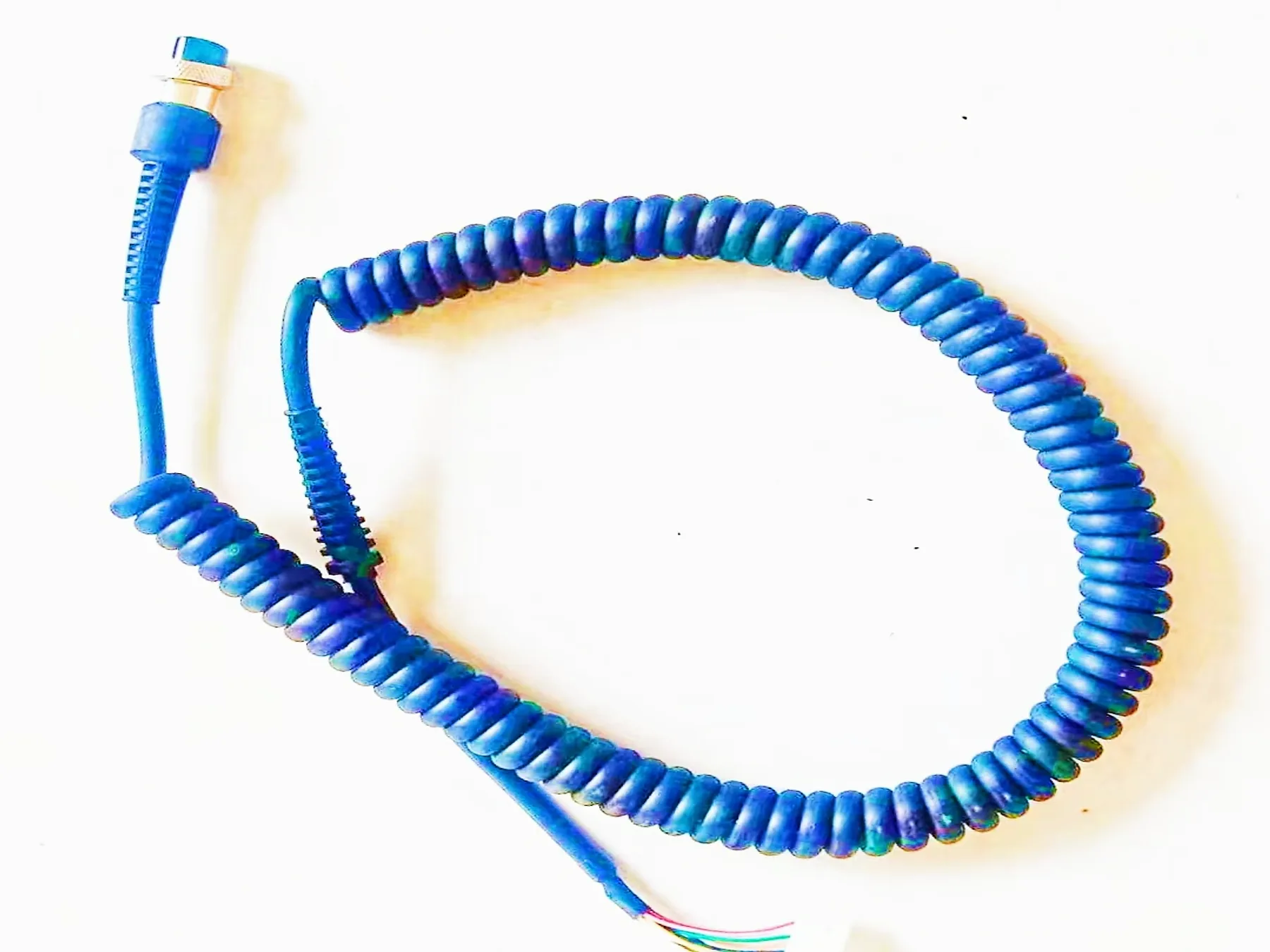
Working reach, recovery, cable behavior
- What reach, available space, and end connections are required?
- What use environment, movement profile, or repeated-flex expectations are known?
- Which cable details, interfaces, or checks are already known?
- Which questions still need to be defined?
Known reach, space, and end connections
- Required reach, available space, use environment, and known end connections
- Known cable construction, conductor count, wire gauge, end treatment, and packing needs
- Coil dimensions, pinout, and flex, recovery, extension, or electrical test method when available
Inspection
What is measured on the formed cord
Relaxed length, working reach, coil diameter, cable diameter, straight tails, connector ends, and visible recovery are checked against the drawing or sample.
| Coil geometry | Include retracted length, working extension, coil diameter, and cable outside diameter. |
|---|---|
| Material | Cable jacket and conductor construction must match flexibility and the application environment. |
| Testing | Extension, recovery, continuity, polarity, and requested tests need named methods and limits. |
Process examples
Visible process details tied to RFQ inputs
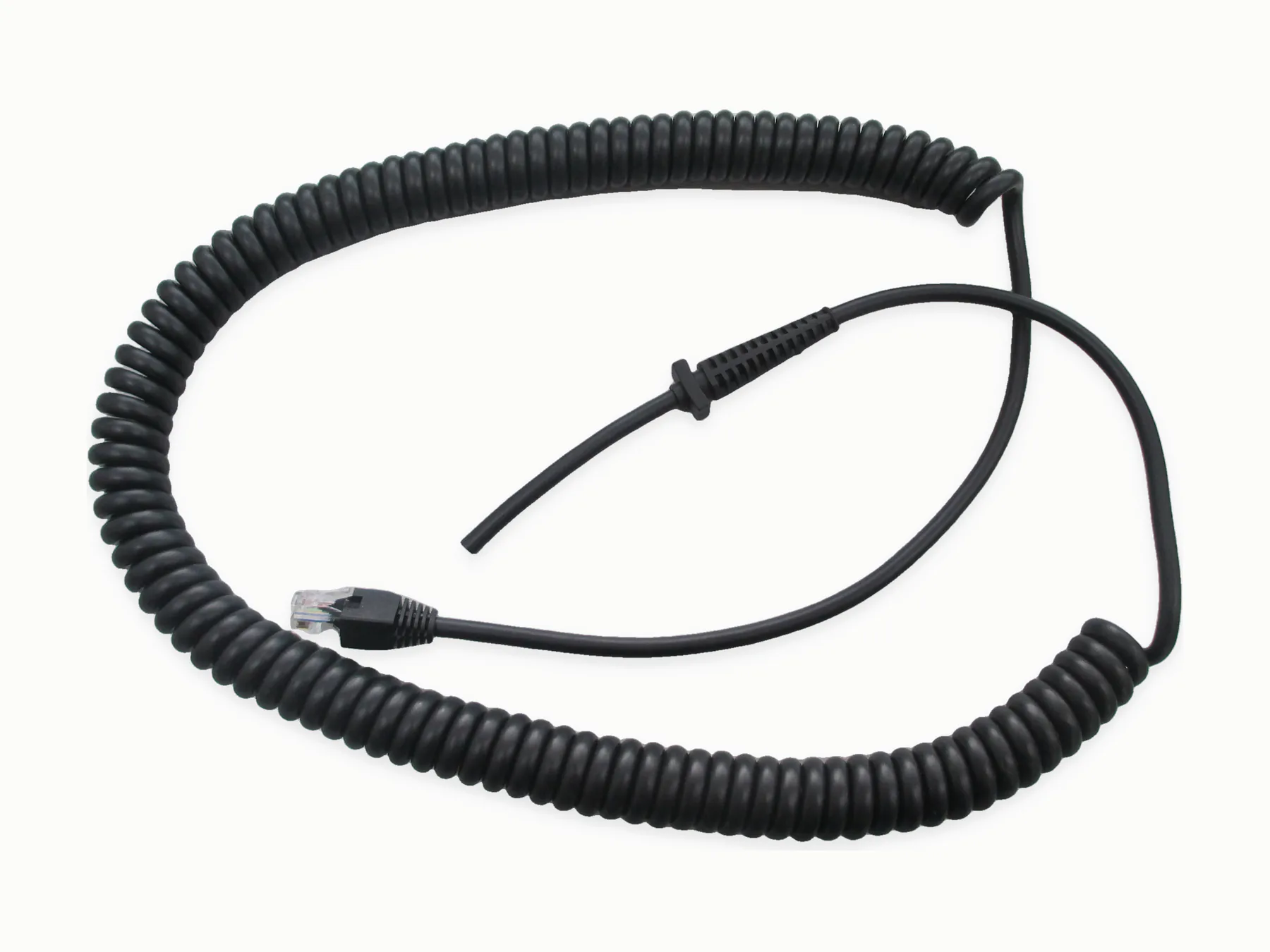
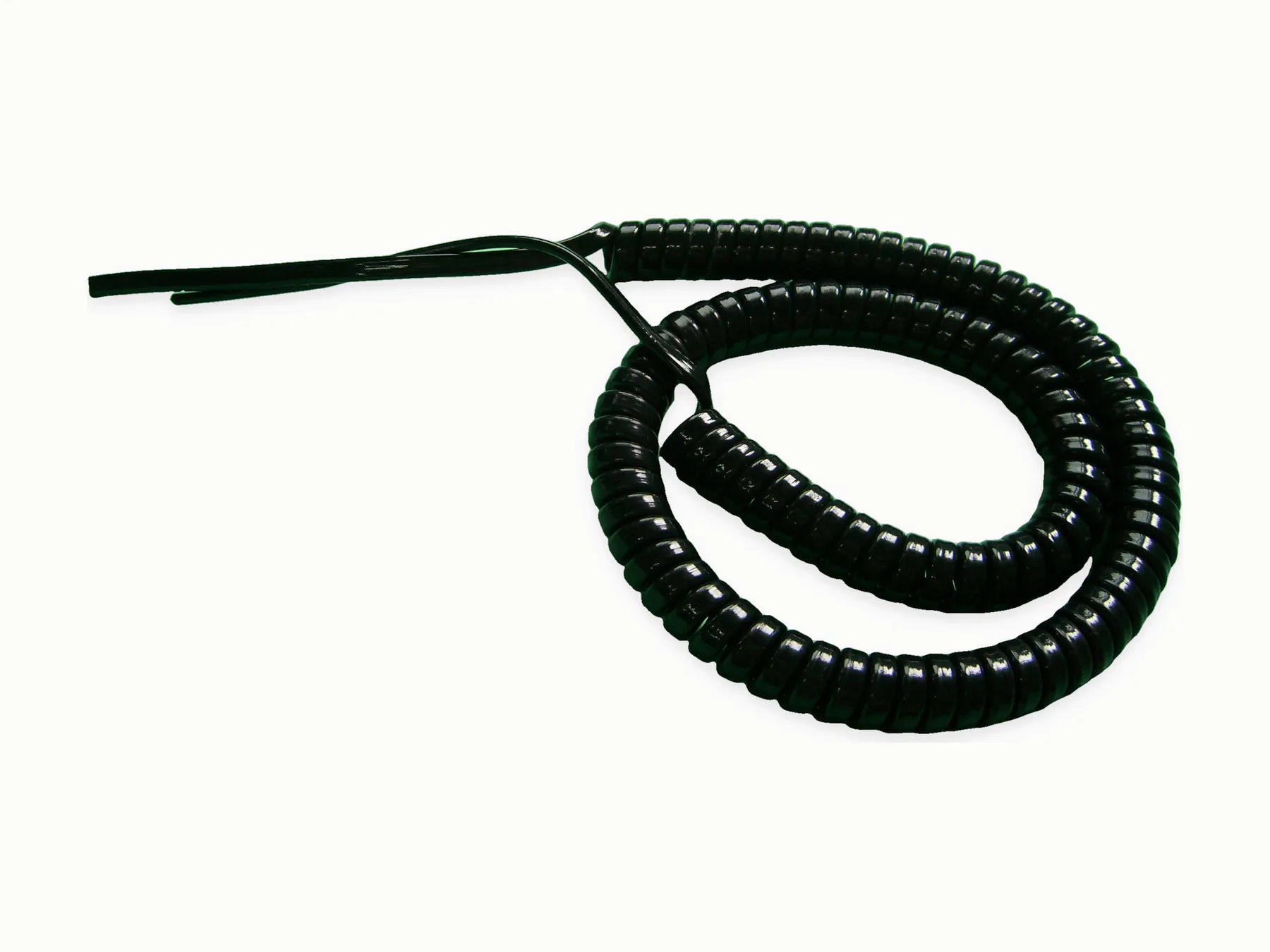
These images show where drawings, dimensions, connector details, materials, tests, and records affect the manufacturing step.
In‑house process
Coil forming, end assembly
MTTJ forms the coil, prepares the straight tails, fits the specified ends, and checks wiring and the finished coil shape.
- Wire cutting
- Wire stripping
- Coil forming
- Connector assembly
- Electrical testing
Use environment
When material or flex testing needs extra work
Repeated flexing, oil, UV, outdoor use, temperature, or mixed power and signal functions may require a different cable construction or a specified repeated-motion test.
Qualified-supplier coordination
- Horizontally injection-molded housings requiring horizontal molding machines
- PCB assemblies / circuit boards
- Specified plug, connector, or component sourcing
Process
From straight cable to retractable cord
The cable is formed to the specified coil and tail dimensions before the ends are assembled and the finished cord is inspected.
- 1Discuss the required reach, available space, use environment, and known constraints
- 2Define cable construction, connector needs, and end treatment
- 3Form coil geometry from drawing/sample
- 4Complete end prep, connector assembly
- 5Inspect coil form, run agreed tests
Related routes
Coiled-cord product examples
Request a quote
Discuss reach and coil requirements
Start with the required reach, use environment, available space, and known connections. Add relaxed length, coil dimensions, cable construction, and required recovery checks as they become available.