
Capability
Wire Harness Assembly / Connectorization
MTTJ assembles branched harnesses and connectorized leads from drawings and BOMs. Work can include cutting, stripping, crimping, specified soldering, routing protection, labels, electrical checks, and packing.
Request a Quote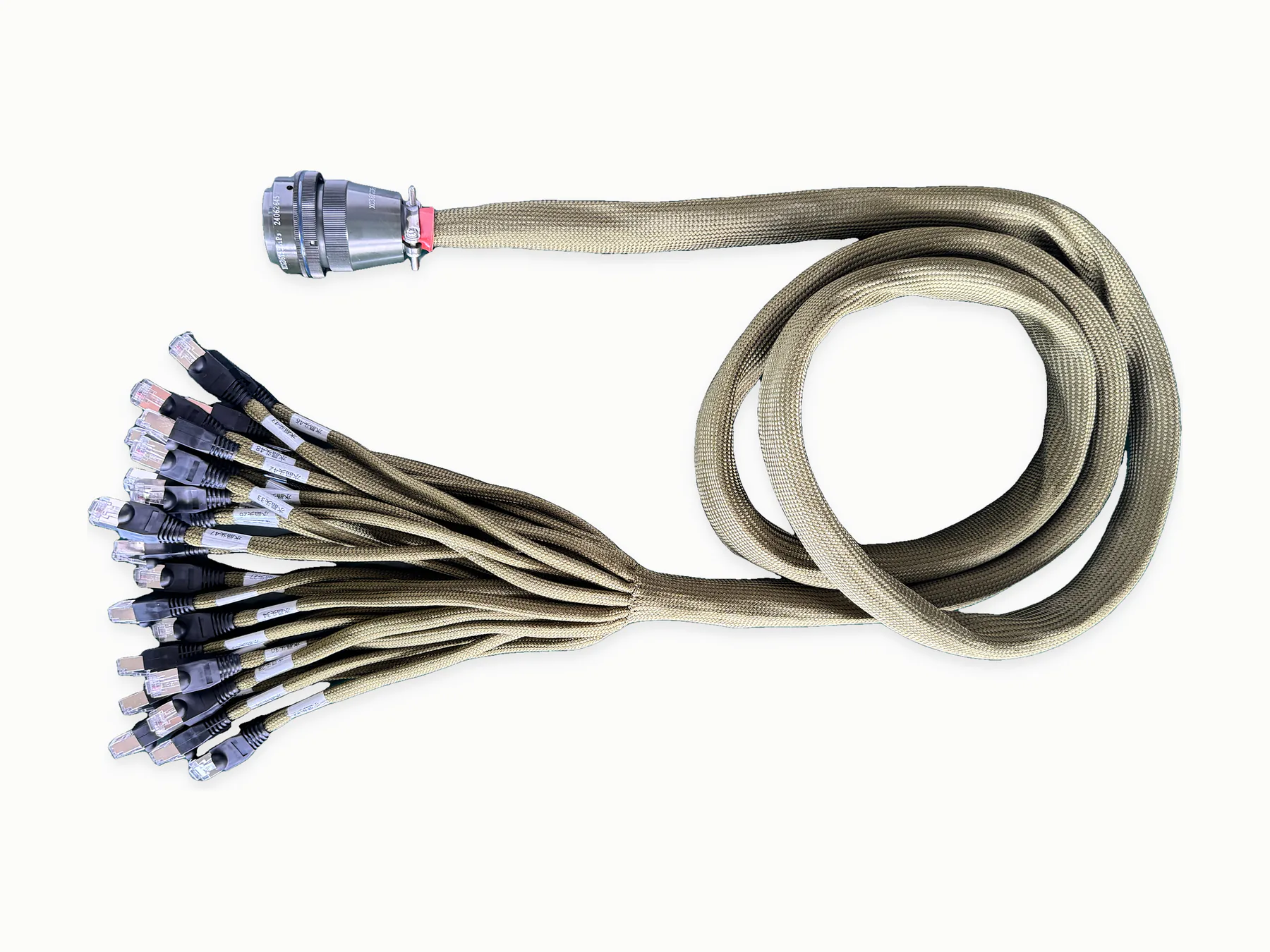
Branches, terminations, protection, IDs
- Is a harness drawing and bill of materials available?
- Which connector and terminal part numbers are specified?
- How should branches, labels, and routing protection be arranged?
- What tests are required before shipment?
Drawing details needed for harness layout
- Harness drawing, BOM, branch lengths, and routing protection
- Connector and terminal part numbers with wire type, gauge, labels, sleeving, tape wrap, and tie points
- Continuity, fixture, pull-force, functional, final inspection, packing, or shipment record method
Inspection
What is checked on the harness
Branch lengths, crimp and solder points, connector fit, labels, sleeving, tie points, circuit identity, and packing are checked against the drawing.
| Crimping | Pull force, crimp height, and appearance are controlled against terminal and wire requirements. |
|---|---|
| Routing | Branch length, tie points, sleeving, tape wrap, and labels follow the harness drawing. |
| Testing | Continuity, polarity, functional, and visual inspection steps follow the supplied method. |
Process examples
Visible process details tied to RFQ inputs
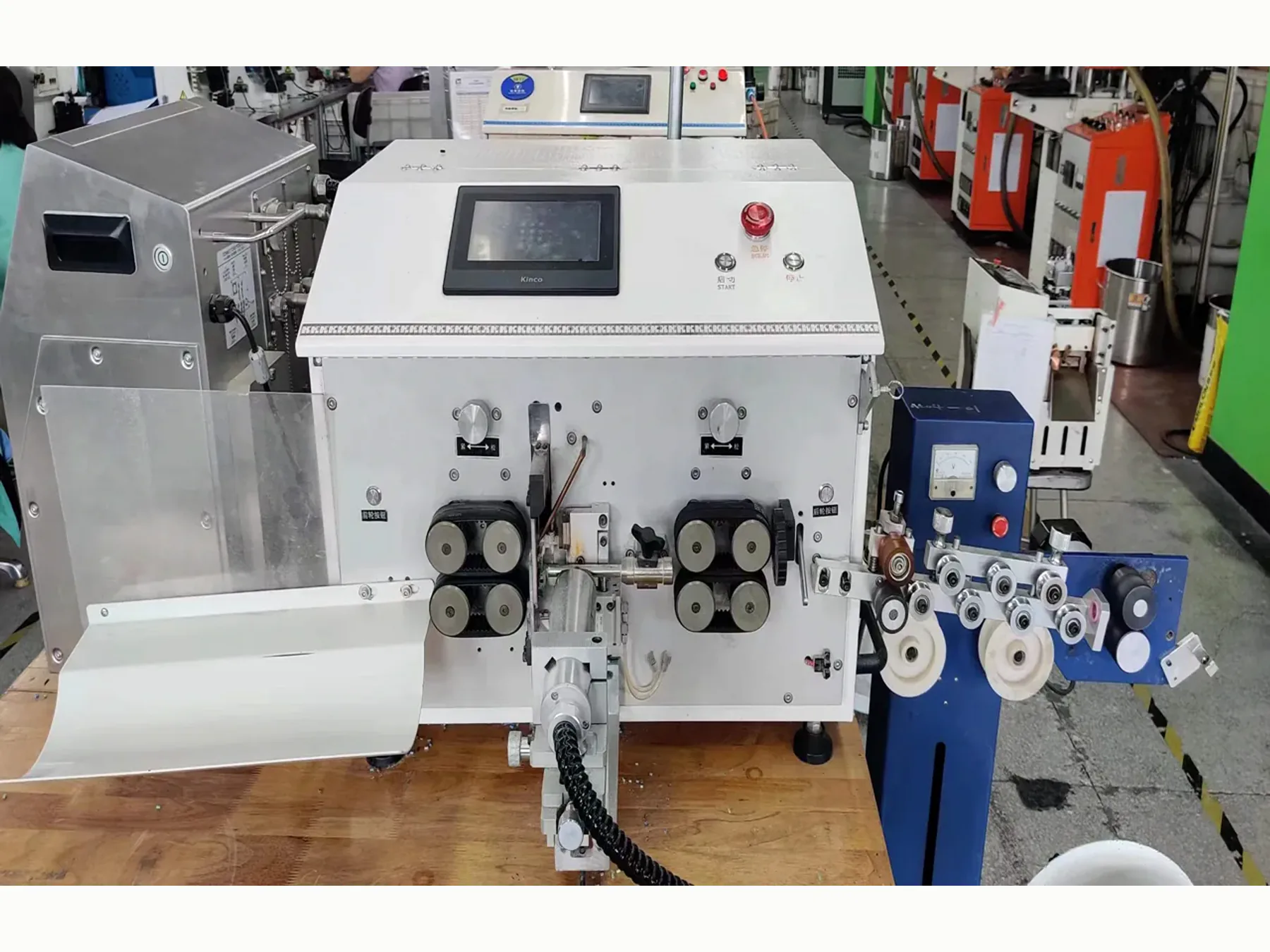
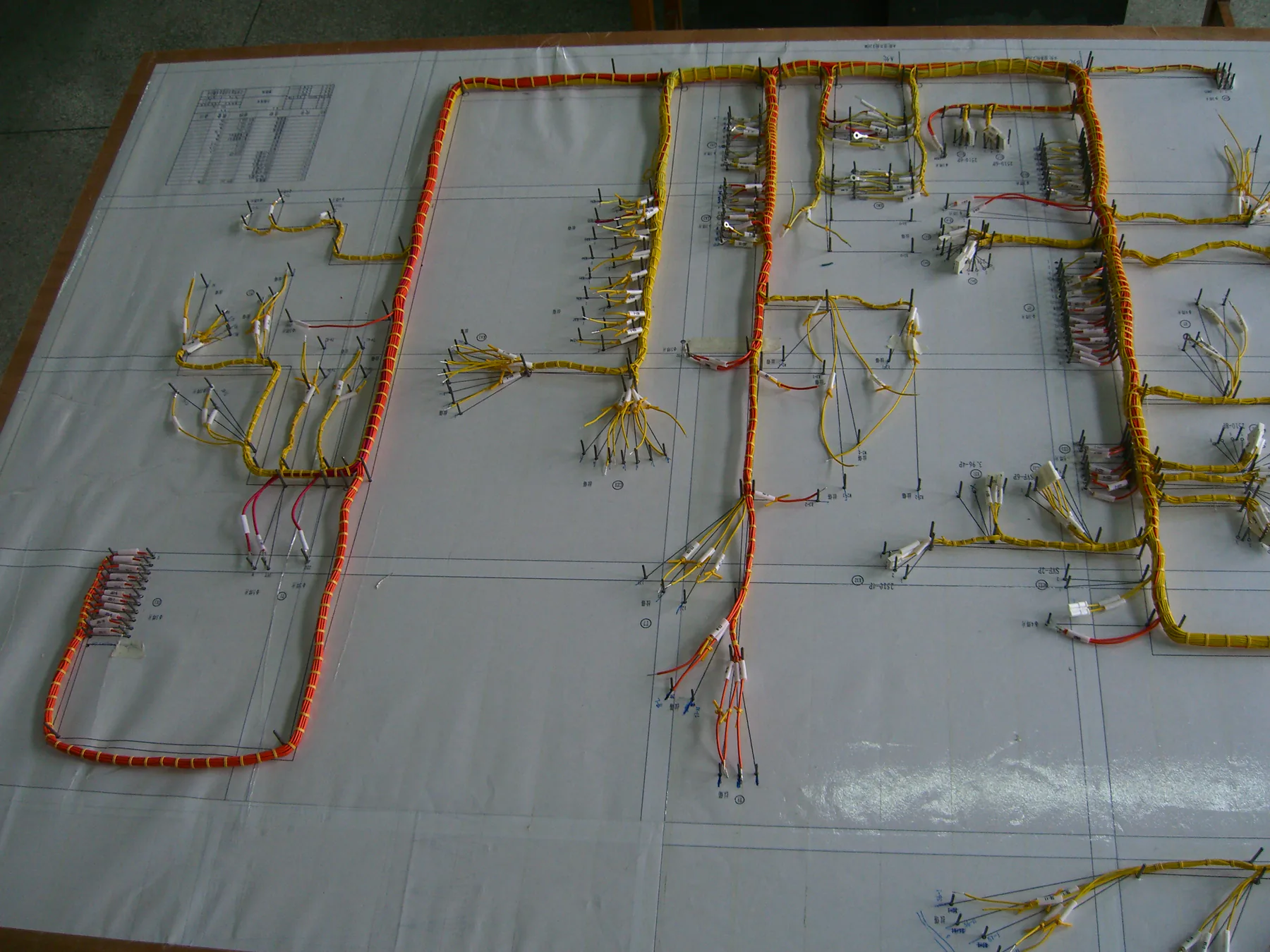
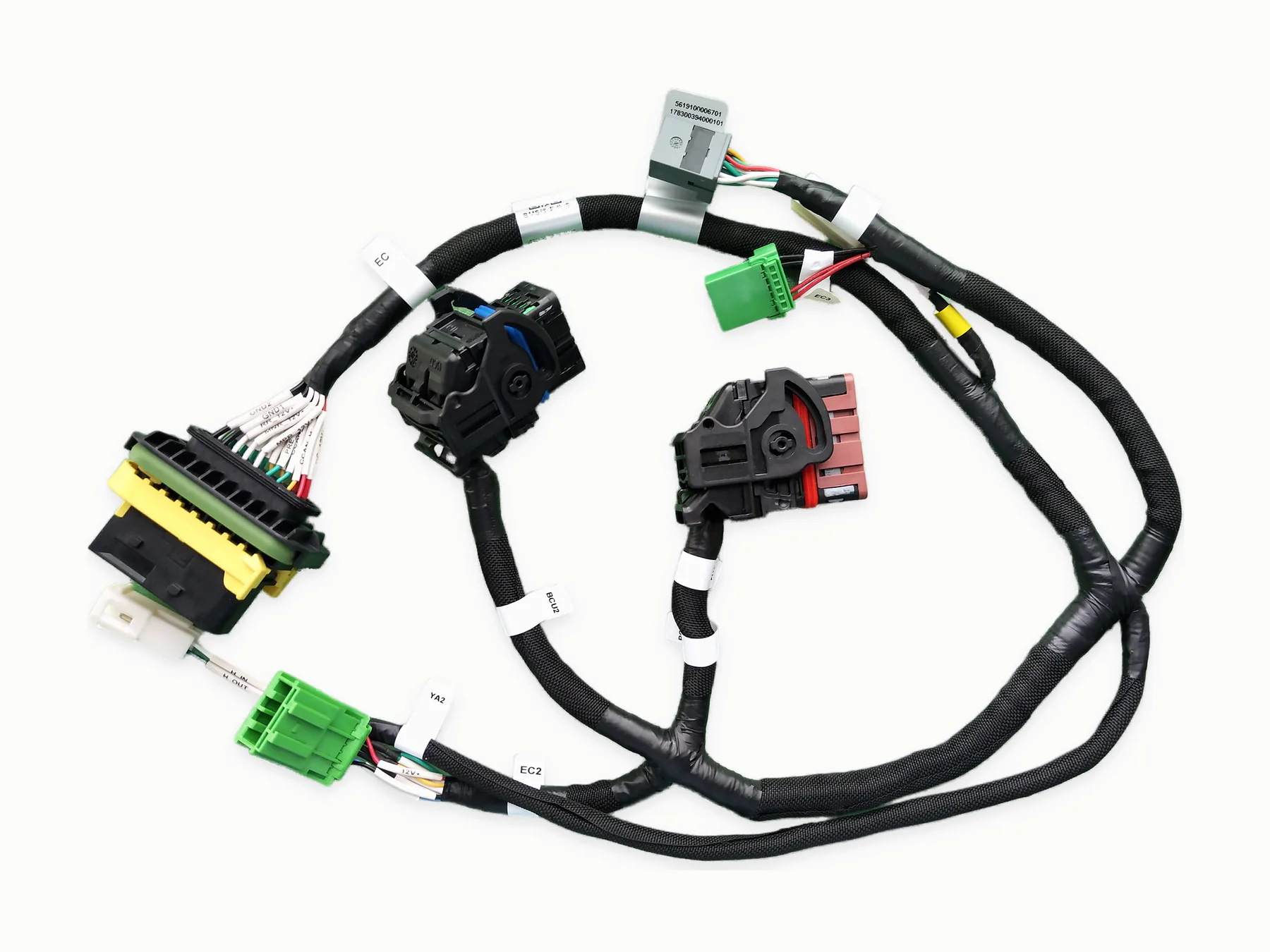
These images show where drawings, dimensions, connector details, materials, tests, and records affect the manufacturing step.
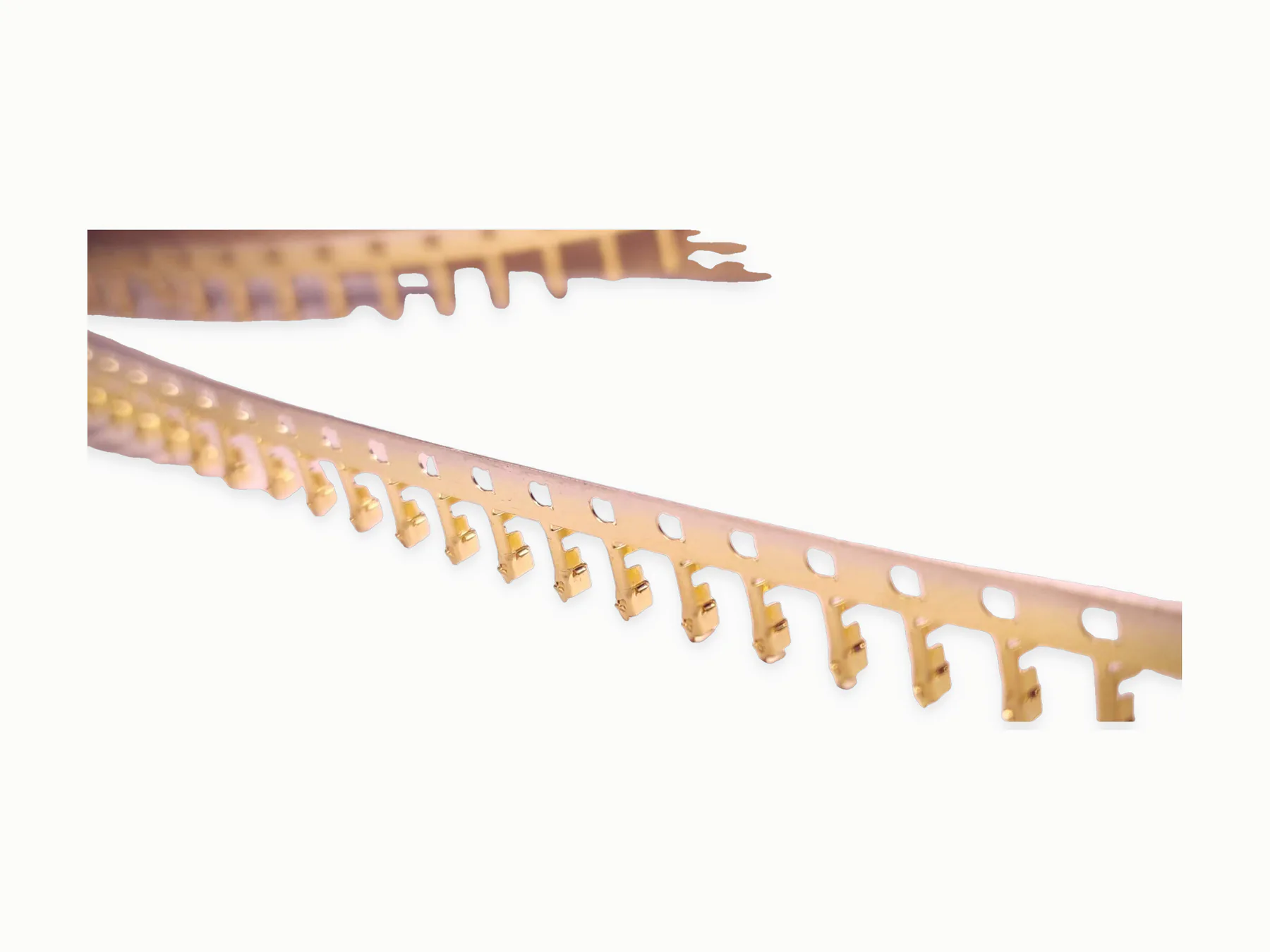
In‑house process
Wire preparation, harness assembly
MTTJ cuts and strips wire, crimps terminals, solders where specified, lays out branches, adds protection and labels, and performs the stated electrical checks.
- Wire cutting
- Wire stripping
- Terminal crimping
- Soldering
- Vertical overmolding / insert molding
- Assembly
- Electrical testing
- Ultrasonic welding
- Automatic cut-strip-crimp
- Coaxial cable stripping
- Automatic tape wrapping
- Single-core wire twisting
- Airtightness testing with nitrogen
- Ribbon cable splitting, tearing, and cutting
Build inputs
Part numbers, fixtures, routing protection
Missing part numbers, no-substitution connectors, unusual routing protection, dedicated fixtures, or project record formats can change the build plan.
Qualified-supplier coordination
- Horizontally injection-molded housings requiring horizontal molding machines
- PCB assemblies / circuit boards
- Specified plug, connector, or component sourcing
Process
From drawing to finished harness
The drawing and BOM drive wire preparation, branch layout, termination, protection, identification, electrical checks, and packing.
- 1Read harness drawing, BOM
- 2Prepare cutting, stripping, terminal needs
- 3Build harness layout, branch routes
- 4Apply specified labels, sleeves, heat shrink, tape
- 5Test against drawing requirements
Related routes
Products using harness assembly
Request a quote
Send the harness drawing and BOM
Mark branch lengths, connector and terminal part numbers, labels, protection, test points, and any dedicated fixture requirement.