
Solutions
Prototype and Low-Volume Cable Assemblies and Wire Harnesses
A drawing, marked sample, BOM, connector detail, installation constraint, or early harness input can establish a controlled sample build while open dimensions, materials, routing, and tests remain visible. The checked revision can then guide a low-volume lot and, when the project is ready, transfer into repeat production.
Project examples
Build detail examples
The examples show cable routes, connector ends, molded features, and other assembly details used to align drawings, samples, tests, and required records for quotation and build planning.
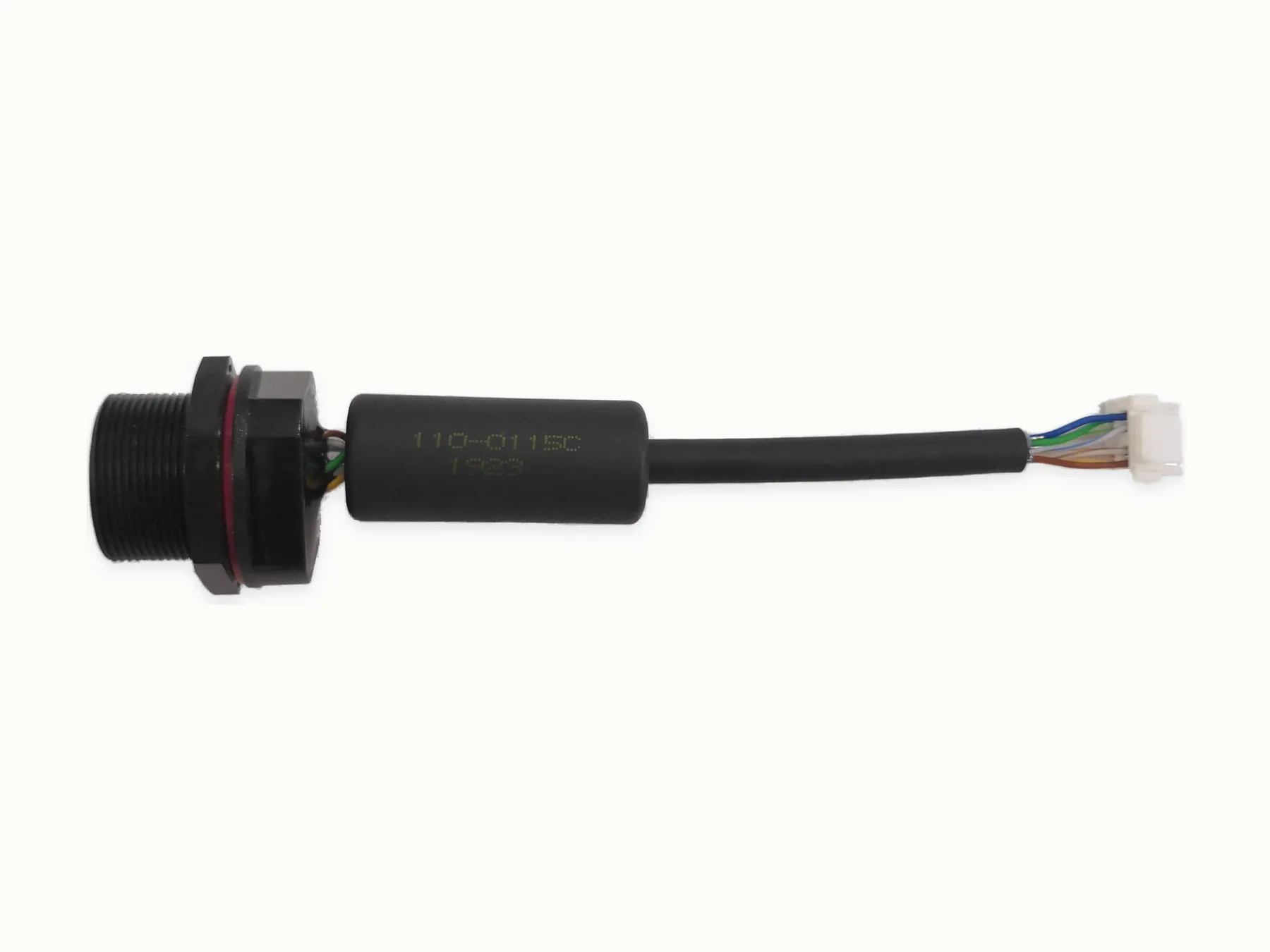
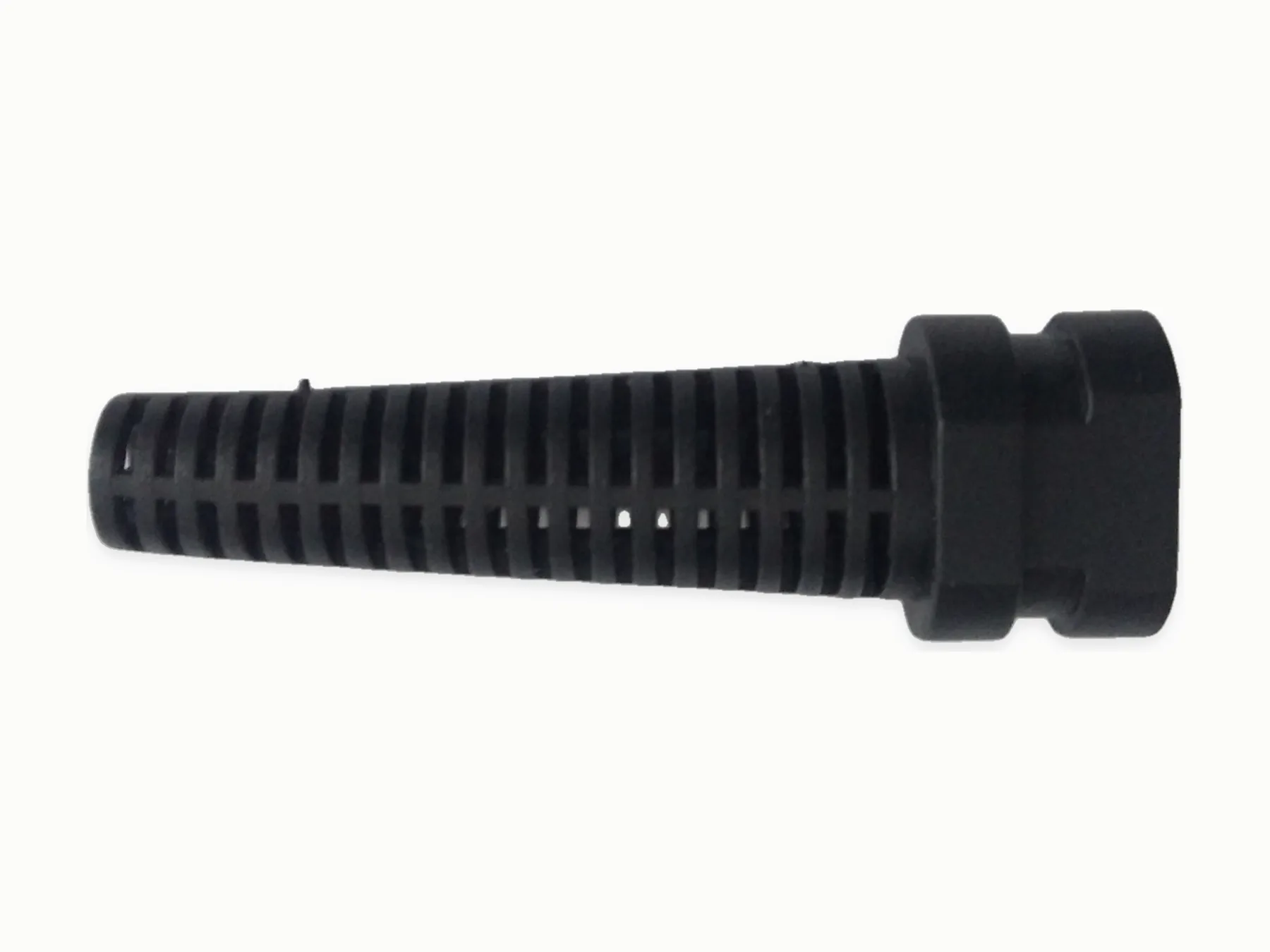
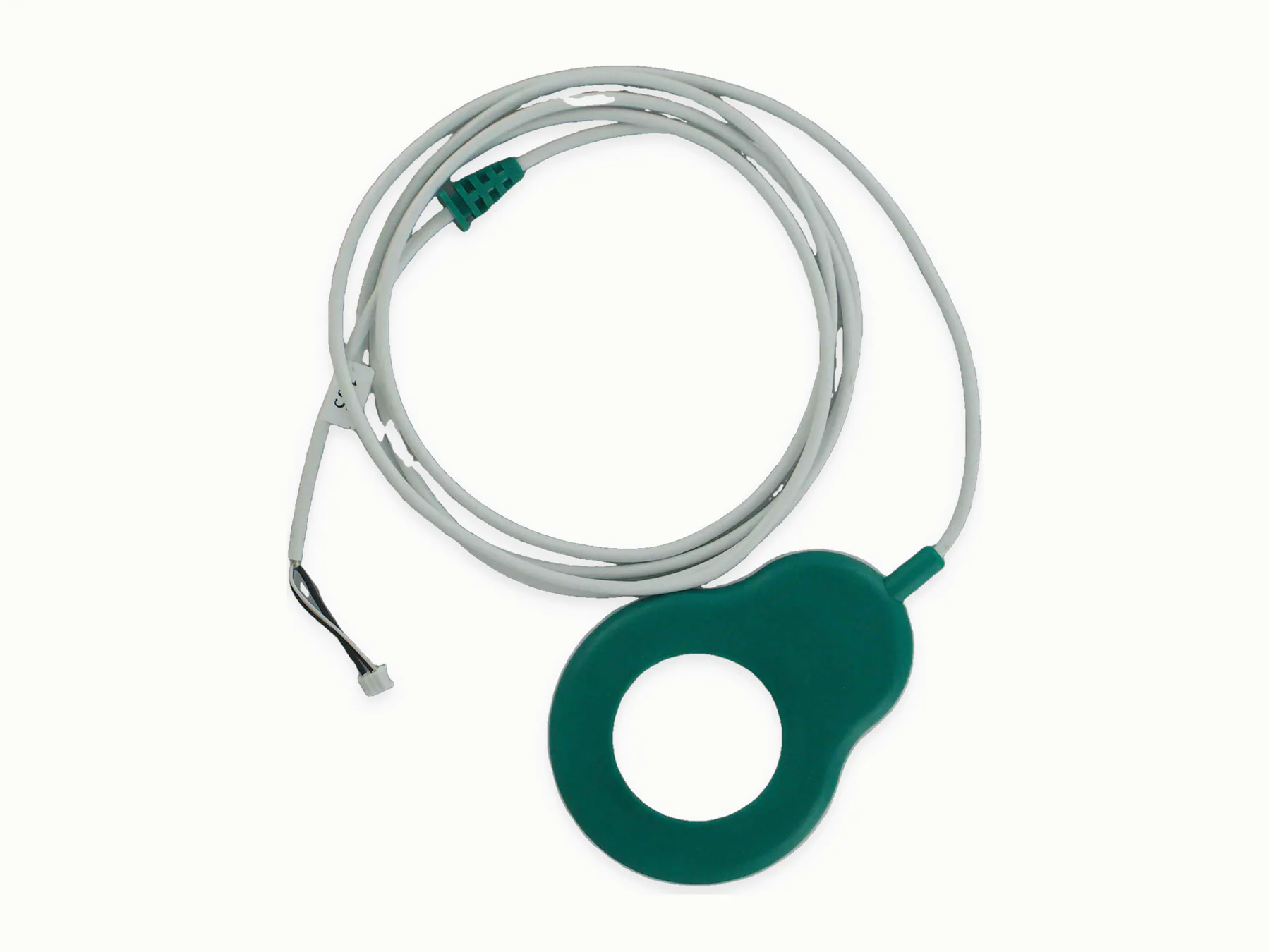
For early drawings, marked samples, and small initial quantities
- A new equipment program needs a cable assembly or wire harness prototype before pilot or repeat production
- You have drawings or samples, while material, connector, or test details still need to be completed
- The project needs a defined path from sample evaluation to a low-volume lot and later repeat production
- The assembly combines coiled cord, overmolding, harness, or interconnect requirements
Start with the latest marked drawing or sample
- Preliminary drawing, marked sample, or clear product image with dimensions
- Connector, terminal, wire, or cable choices already fixed by the equipment design
- Prototype quantity, later production target, open dimensions, material questions, tooling assumptions, test method, and delivery destination
First build
Dimensions, materials, and tests that shape production planning
- Cable routing, branch dimensions, connector orientation, cable exits, bend areas, and strain relief
- Wire gauge, material fit, and connector or terminal availability
- Electrical, visual, dimensional, validation, and packing-limit checks for the first build
- Revision, BOM, test, and packing records that can be carried from the approved sample into later production
Samples and notes
Marked samples, comparison evidence
- Photos of samples, mating equipment, or installation location when available
- Marked drawings showing unresolved dimensions or cable exits
- Inspection notes from first sample evaluation
Related products
Related capabilities
Continue the review
Related resources and manufacturing scope
Prototype quotation
Separate fixed requirements from remaining details
FAQ
Prototype low-volume programs
Can one prototype request include several build types?
Yes. MTTJ can assess the combined build when drawings, samples, connector details, and test expectations describe the whole assembly.
What helps avoid prototype rework?
Clear mating interface details, cable routing constraints, test requirements, and notes from the intended equipment installation help reduce avoidable changes.
Request a quote
Send first-build drawings
Use a marked drawing or sample to show what is fixed, which details still need decisions, and how the first piece should be checked.