Design & Materials
Wire Gauge and Conductor Selection Guide
Wire gauge and conductor construction should be selected from electrical load, voltage, signal needs, bend radius, connector fit, routing, and temperature exposure. Name each requirement in the RFQ and reference the drawing and component data.
Prepared by MTTJPublished: Updated:
Decision summary
What to carry into the decision
- Select conductor construction from electrical load, voltage drop, routing, flex, termination, and applicable equipment criteria together.
- Confirm the terminal wire range and insulation diameter, not only the nominal gauge.
- State conductor material, strand construction, insulation, temperature, and test assumptions on the drawing or cable specification.
Direct answer
Choose wire gauge from the current, voltage, temperature, connector terminal range, routing space, and required flexibility. For signal cables, also include impedance, shielding, grounding, and noise expectations when they matter.
Selection factors
A wire gauge decision should not be isolated from termination and routing.
| Electrical | Current, voltage, signal type, voltage drop, and safety margin supplied by the equipment design. |
|---|---|
| Mechanical | Bend radius, repeated motion, routing space, strain relief, and connector terminal range. |
| Environment | Temperature, oil, moisture, UV, cleaning, abrasion, and required material documents. |
RFQ checklist
Send these items when wire gauge or conductor construction is part of the quote.
- Wire gauge, conductor count, stranding, insulation, jacket, color, and marking requirement.
- Connector terminal part number and allowed wire range.
- Electrical load, signal type, shielding, grounding, and required test method.
- Flexing, routing, temperature, oil, moisture, UV, or cleaning exposure.
Define the selected wire
Use the project drawing and supplied component data to specify gauge, conductor construction, material, rating, required standard, and document needs.
Conductor selection worksheet
Record each input before comparing candidate wire constructions.
| Electrical | Circuit current, voltage, run length, allowable drop, signal needs, and fault or transient criteria. |
|---|---|
| Mechanical | Static route, repeated flex, bend radius, vibration, bundle size, and abrasion exposure. |
| Termination | Terminal wire range, conductor barrel, insulation support, seal range, and strip length. |
| Material and records | Conductor, stranding, insulation, temperature, target market, and requested component documents. |
Avoid nominal-size substitutions
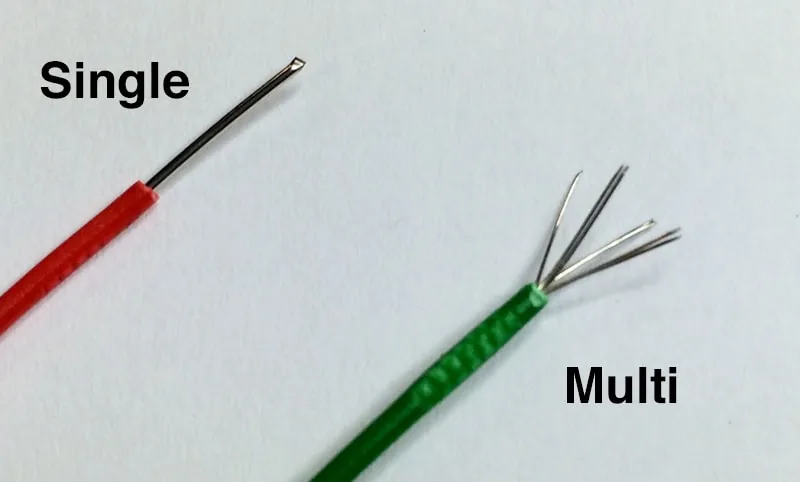
Two wires with the same gauge can differ in stranding, conductor diameter, insulation diameter, flexibility, temperature range, and terminal fit. Record the complete construction or controlled part number before pricing an alternative.