Design & Materials
Custom Cable Extrusion RFQ Checklist
Custom extrusion should be quoted with the downstream assembly in mind. Conductor layout, shielding, filler, jacket, OD, flexibility, marking, stripping, connectorization, overmolding, testing, and records should be reviewed together.
Prepared by MTTJPublished: Updated:
Decision summary
What to carry into the decision
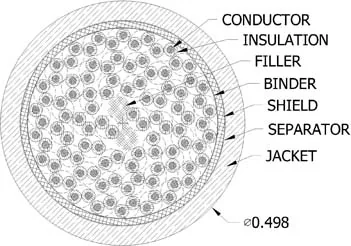
- Define the conductor layout, insulation, shield, fillers, separators, jacket geometry, marking, and finished dimensions as one cable construction.
- Check downstream stripping, termination, molding, flex, and equipment routing before choosing a custom extrusion.
- Compare custom cable with a suitable standard construction before accepting tooling and material commitments.
Direct answer
A custom cable extrusion RFQ should include conductor count, wire size, insulation, shielding, drain wire, filler, jacket material, OD, color, print, marking, quantity, test method, and how the cable will be assembled later. Select PVC, PE, PP, PU / TPU, TPE, PTFE, silicone, shielding, or covering structures when the specified construction and application call for them.
Extrusion checklist
Use the checklist to keep cable construction and downstream assembly aligned.
- Construction drawing or target sketch with conductor layout, OD, jacket, shielding, filler, and color.
- Electrical requirements, wire gauge, conductor count, voltage, temperature, signal, and test method.
- Assembly fit for cutting, stripping, crimping, soldering, connectorization, overmolding, labels, and packing.
- Material document, inspection record, marking, printing, target market, quantity, and destination needs.
When standard cable may be enough
If a standard cable meets OD, flexibility, material, connector fit, and documentation needs, it may reduce tooling and sourcing complexity. If not, custom extrusion can be reviewed with the assembly drawing.
Define the quoted construction
The quoted cable drawing and supplied documents define conductor layout, materials, dimensions, marking, required records, and downstream assembly fit.
Extrusion input table
Use the same construction revision for quotation, sample work, and downstream assembly checks.
| Core | Conductor count, size, material, stranding, insulation, color or identification, and arrangement. |
|---|---|
| Intermediate layers | Fillers, binders, separators, drain wire, foil, braid, and shield termination needs. |
| Jacket | Material, color, hardness, shape, dimensions, tolerances, surface, and marking. |
| Use and verification | Flex, exposure, electrical method, dimensional checks, downstream stripping, termination, and molding. |
Common extrusion omissions
Do not omit minimum order assumptions, material color and marking, reel or cut-length preference, downstream strip lengths, connector seal ranges, or the acceptance method for dimensions and electrical construction.