
Industry
Elevator / Rail Equipment Cable Assemblies and Wire Harnesses
Elevator and rail equipment cable assemblies and wire harnesses are shaped by route length, branch layout, labeling, vibration or movement, material references, and access for service. If a transit or elevator standard applies, include the standard, material, routing, test, and record requirements with the inquiry.
Request a QuoteRouted and labeled harnesses for serviceable equipment
- Equipment harnesses, control interconnects, and sensor cables
- Labeling and routing protection for installation and service workflows
- Material choices for vibration, movement, temperature, or flame requirements
- Requested electrical and visual tests
Vibration, movement, flame needs, access
- Specified standards and inspection criteria can be strict
- Material or flame requirements should be named with the drawing
- Routing, strain relief, and branch lengths need clear drawings
- Document needs for the assembly
Application evidence
Visible assembly details to discuss
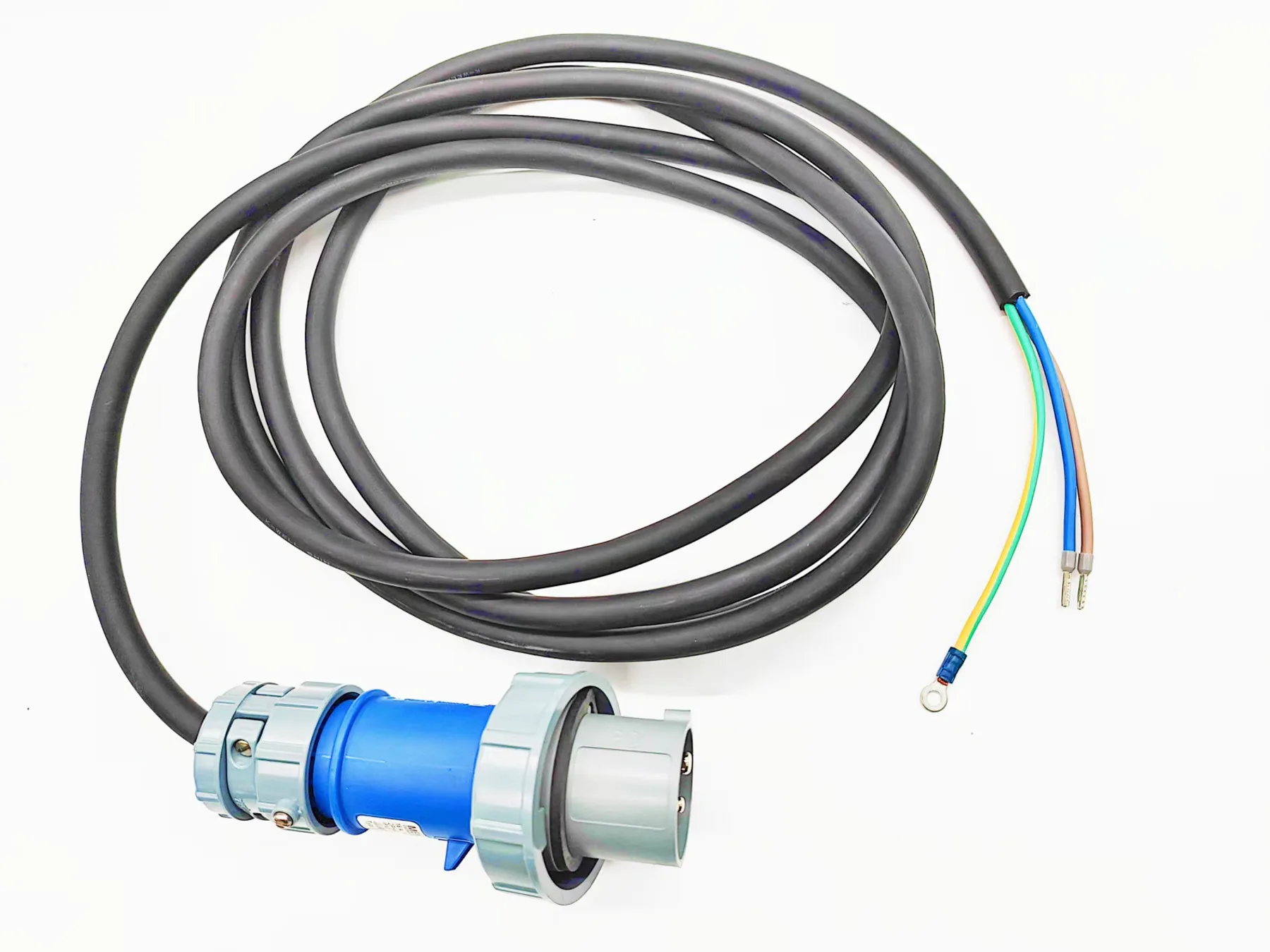
Use the visible connector, routing, branch, and cable-exit details to identify what the equipment drawing and inspection plan should control.
Application controls
Control points for the assembly
| Assembly interface | Drawing baseline, BOM, and connector part numbers |
|---|---|
| Routing and materials | Branch lengths, routing, labels, and protection |
| Use conditions | Material, flame, vibration, and movement requirements |
| Tests and records | Testing, inspection, and documentation requirements |
Verification
Testing and record inputs
- Inspect branch dimensions, connector positions, supports, service labels, and routing protection.
- Apply vibration, movement, material, or flame-related checks only when the inquiry names the method and criteria.
- Record the applicable standard, drawing revision, inspection result, quantity, and delivery lot.
Before quotation
Common application questions
Which routing inputs should accompany an elevator or rail-equipment harness drawing?
Show branch lengths, connector positions, supports, bend zones, abrasion protection, installation sequence, labels, movement, and inspection access.
How should standards and records enter the inquiry?
Name the applicable equipment standard, drawing revision, inspection or test method, acceptance limits, required record format, quantity, and delivery destination.
Related routes
Relevant products, capabilities, and guides
Request a quote
Send harness layout, standards
Identify branch lengths, service labels, connector locations, material references, and the inspection method used by the equipment program.