
Industry
Heavy Equipment Cable Harnesses
Heavy-equipment harnesses may be exposed to oil, vibration, rain, dust, temperature change, and outdoor routing. Branch layout, connector sealing, protective sleeving, and the specified electrical or functional tests drive the build.
Request a QuoteBranched harnesses for exposed machinery
- Control harnesses and sensor cables for equipment subassemblies
- Connectorized cable assemblies with routing protection
- Material choices for vibration, oil, outdoor, and temperature conditions
- Testing and inspection tied to the drawing and equipment environment
Oil, vibration, rain, dust, temperature change
- Oil, vibration, rain, dust, and outdoor exposure can affect materials and sealing
- Large harnesses need complete drawings and branch dimensions
- Connector choice and supplier requirements can affect lead time
- Corrosion, durability, and lifetime expectations need test criteria and pass/fail methods
Application evidence
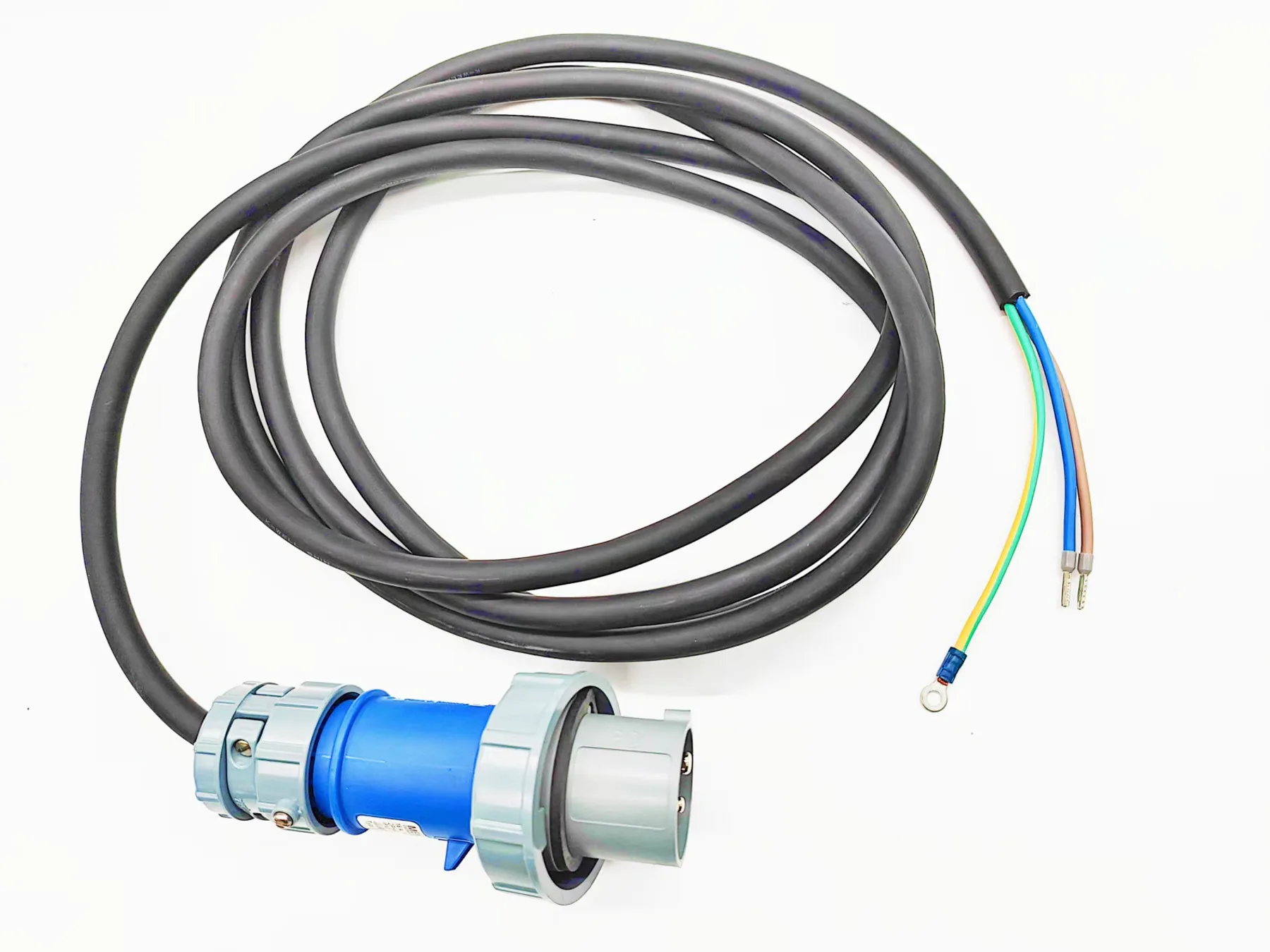
Visible assembly details to discuss
Use the visible connector, routing, branch, and cable-exit details to identify what the equipment drawing and inspection plan should control.
Application controls
Control points for the assembly
| Assembly interface | Complete harness drawing and equipment routing |
|---|---|
| Routing and materials | Connector models, branch lengths, and wire gauge |
| Use conditions | Oil, vibration, rain, dust, and temperature requirements |
| Tests and records | Continuity, hi-pot, sealing, or functional tests |
Verification
Testing and record inputs
- Check continuity, connector retention, sealing, and other functions named for the actual assembly.
- Inspect branch routing, clamp points, abrasion protection, labels, and service access.
- Record the exposure method, limits, sample or lot identity, results, and any authorized deviation.
Before quotation
Common application questions
Which conditions shape a heavy-equipment cable assembly?
Describe oil, water, dust, temperature, vibration, abrasion, routing, bend areas, connector sealing, clamp points, service access, and the required validation method.
What prevents branch and connector errors?
Use a controlled layout with branch dimensions, connector and terminal part numbers, keying, cavity map, labels, protection, and an electrical test matched to the released revision.
Related routes
Relevant products, capabilities, and guides
Request a quote
Send harness layout, exposure notes
Mark branch lengths, connector locations, protective materials, oil or weather exposure, and any sealing or functional test.