
Industry
Beverage Equipment Cable Assemblies and Wire Harnesses
Beverage and foodservice equipment often uses short valve leads, internal interconnects, wire harnesses, and power-routing cables in warm, damp, frequently serviced spaces. Connector sealing, cable length, material exposure, labels, and electrical checks need to match the equipment drawing.
Request a QuoteValve leads and internal interconnects
- Valve cable assemblies and internal equipment wiring
- Connectorized cables for controls, displays, sensors, and power routing
- Material choices for heat, moisture, cleaning, and equipment location
- Requested continuity, hi-pot, insulation, or functional checks
Heat, moisture, cleaning, service access
- Material wording should match the named material and requested document type
- Moisture or IP expectations need drawings and test criteria
- Plugged power cords may involve target-market sourcing and component documents
- Small changes in connector, length, or label can affect repeatable assembly
Application evidence
Visible assembly details to discuss
Use the visible connector, routing, branch, and cable-exit details to identify what the equipment drawing and inspection plan should control.
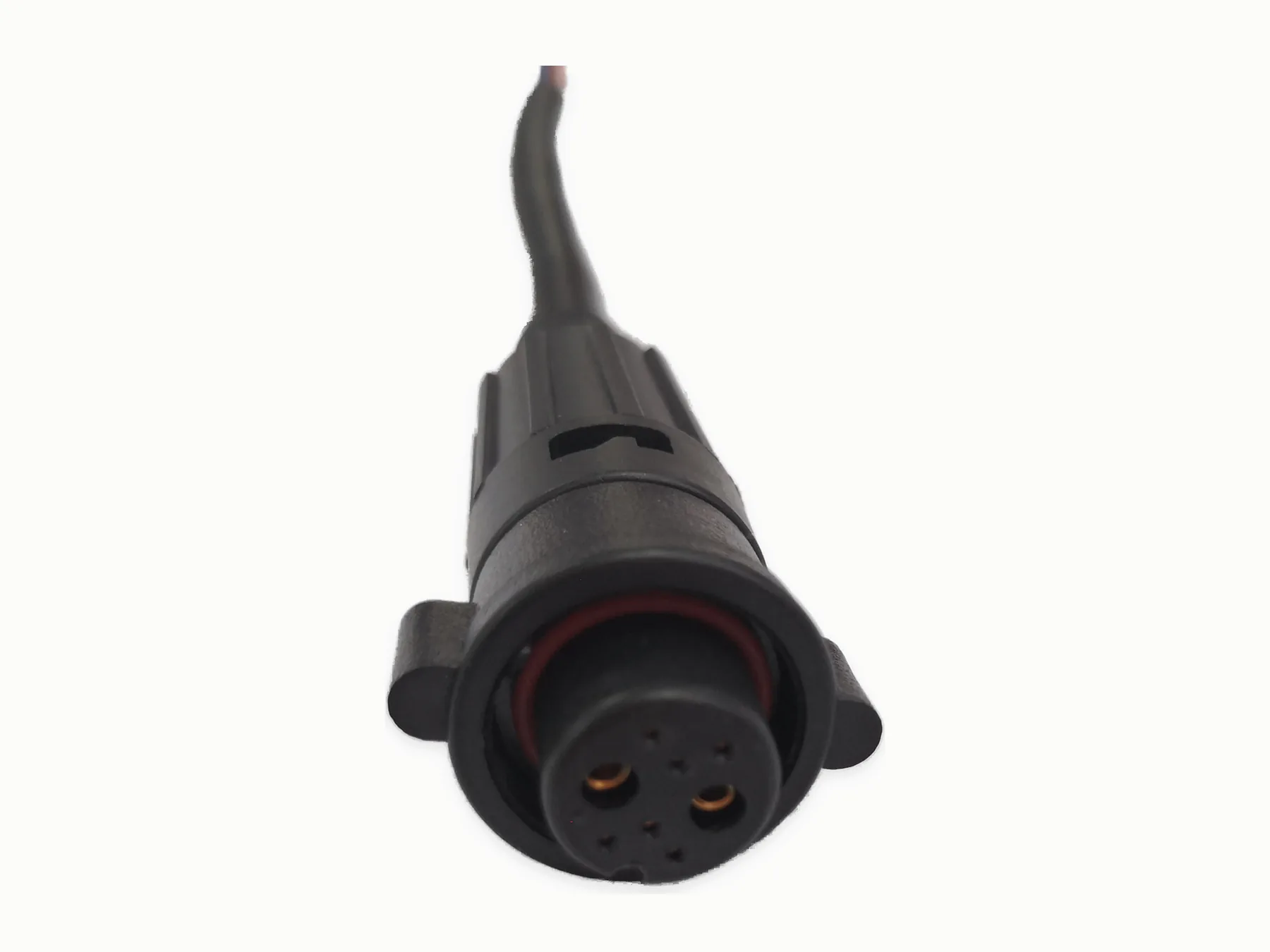
Application controls
Control points for the assembly
| Assembly interface | Valve connector model and cable length |
|---|---|
| Routing and materials | Wire gauge, conductor count, jacket material, and operating temperature |
| Use conditions | Moisture, cleaning, and routing environment |
| Tests and records | Test method, required records, packaging, and delivery destination |
Verification
Testing and record inputs
- Inspect valve-interface seating, cable exit, labels, and any stated moisture-protection features.
- Run the specified electrical and exposure checks with named methods and acceptance limits.
- Link results to the assembly revision, sample or lot, test date, and packing configuration.
Before quotation
Common application questions
Which details matter for a beverage-machine valve lead?
Identify the valve and mating interface, cable length and exit, conductor and jacket construction, moisture or cleaning exposure, electrical checks, labels, quantity, and packing.
How should moisture or cleaning exposure be described?
Name the liquid or cleaning method, temperature, frequency, exposed interfaces, routing, and the test method and acceptance limit for the actual assembly.
Related routes
Relevant products, capabilities, and guides
Request a quote
Send equipment drawings
Mark the valve or control interfaces, cable lengths, heat or moisture exposure, and the electrical checks required by the machine.