
Industry
Security Electronics Cable Assemblies and Wire Harnesses
Security and electronic equipment uses compact cable assemblies and wire harnesses for cameras, access control, displays, adapters, sensors, and internal connections. The application determines shielding, outdoor protection, labels, connector choice, and testing.
Request a QuoteCamera, access-control, display, sensor cables
- Custom cables for cameras, access control, displays, and adapters
- Sensor and control cable assemblies
- Shielding, grounding, and routing details when signal quality matters
- Indoor or outdoor material choices based on equipment environment
Compact routing, signal quality, outdoor exposure
- Outdoor UV, dust, and water exposure affect jacket, sealing, and test choices
- Video or signal performance targets need the requested test criteria
- Shielding and grounding should be shown in the wiring plan
- Connector changes can affect fit and documentation
Application evidence
Visible assembly details to discuss
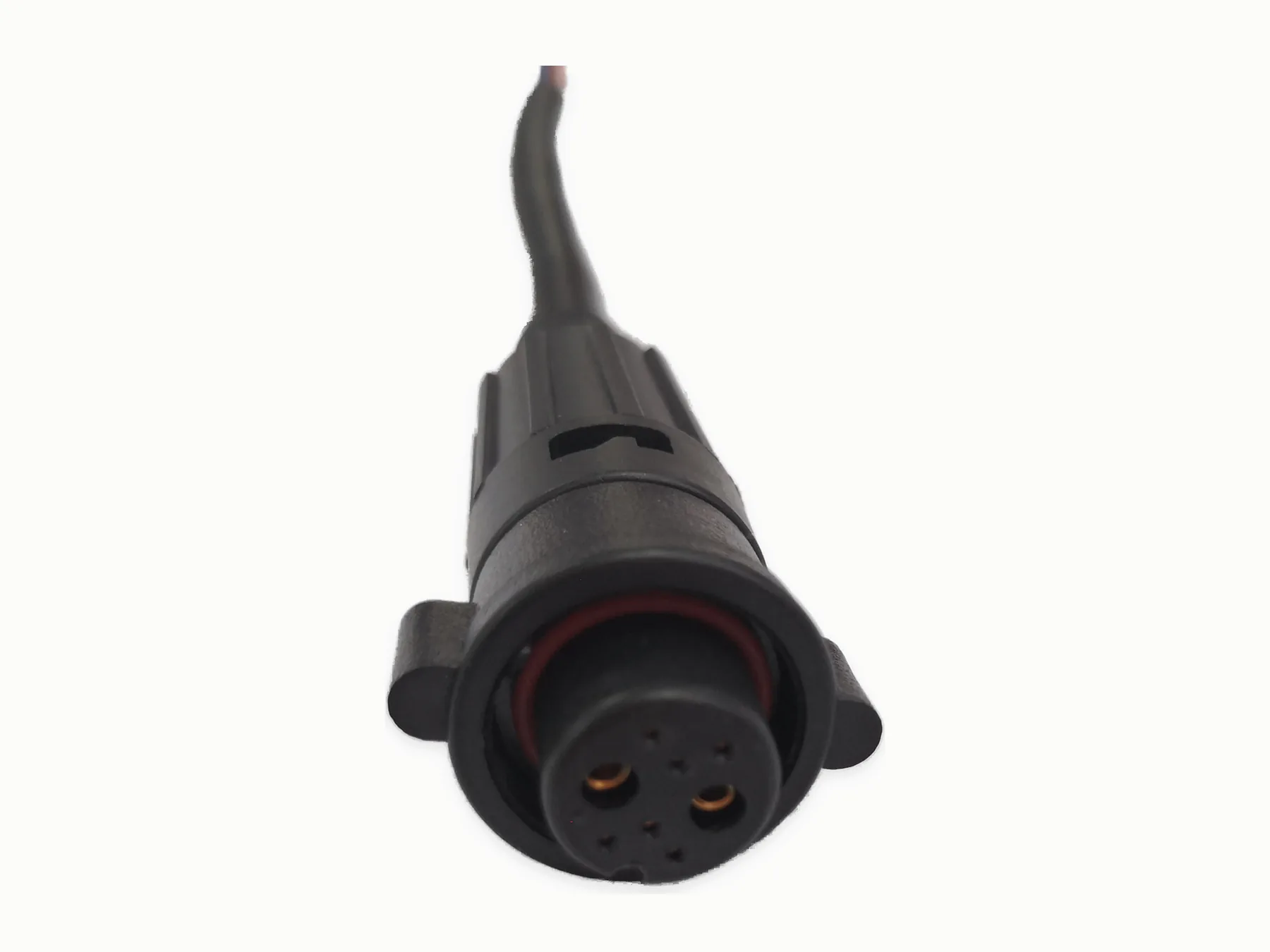
Use the visible connector, routing, branch, and cable-exit details to identify what the equipment drawing and inspection plan should control.
Application controls
Control points for the assembly
| Assembly interface | Indoor or outdoor installation |
|---|---|
| Routing and materials | Cable type, shielding, connector, and length |
| Use conditions | Video, signal, power, and grounding requirements |
| Tests and records | Continuity, hi-pot, impedance, or functional tests |
Verification
Testing and record inputs
- Check continuity, polarity, signal, impedance, or function with the stated setup, values, and limits.
- Inspect shield and ground termination, connector orientation, labels, and installed routing.
- Keep measured values, test-program or fixture reference, sample identity, and final decision in the report.
Before quotation
Common application questions
What information is needed for a security-equipment interconnect?
Provide the equipment interfaces, connector part numbers, pinout, signal or power function, shield and ground scheme, cable length, routing, labels, tests, quantity, and packing.
How should signal checks be defined?
State the feature being checked, setup, fixture, values and units, limits, sequence, sampling or frequency, and required report rather than asking for a generic functional test.
Related routes
Relevant products, capabilities, and guides
Request a quote
Send the interface drawing or sample
Identify the function, connectors, cable route, shield or ground treatment, outdoor exposure, and the performance check required by the equipment.