
Cable Assemblies
Flat Ribbon Cable Assemblies
MTTJ processes flat ribbon cable from drawing-defined dimensions, including splitting, tearing, and cutting before specified end assembly. Cable construction, conductor count and pitch, connector orientation, strain relief, and inspection criteria should be fixed in the RFQ.
Send Project Details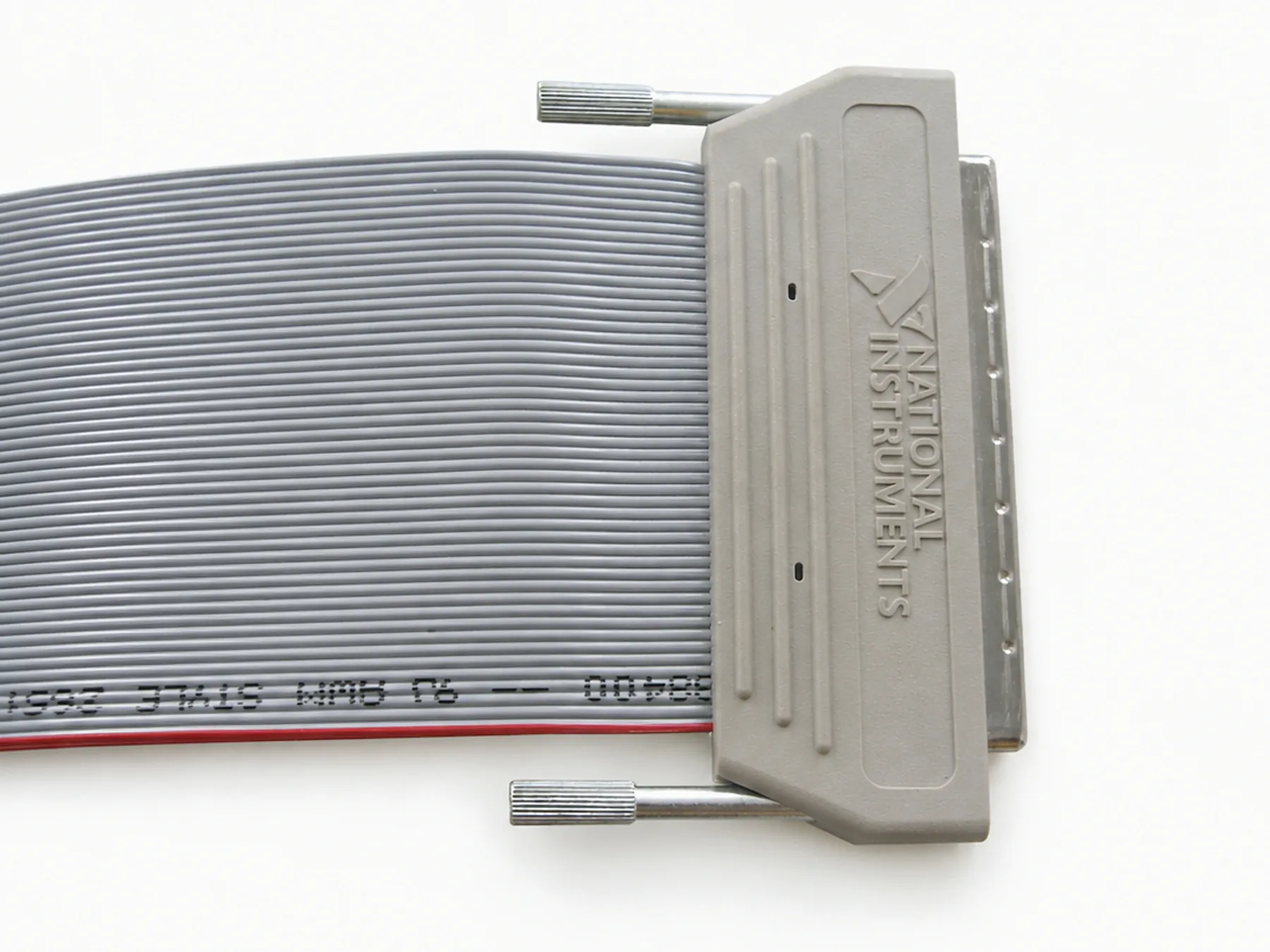
Flat cable and connector reference
The generic example shows a flat cable with an IDC-style connector. Cable construction, pitch, split dimensions, connector identity, orientation, and acceptance criteria still come from the drawing and supplied component data.
Equipment interconnects using specified flat cable
- Internal equipment interconnects using specified flat cable
- Control and signal connections with aligned conductor layouts
- Connectorized equipment subassemblies built from a drawing or reference sample
- OEM equipment routing where flat cable construction is specified
Pitch, split layout, end treatment, and orientation
- Drawing-specified conductor count, pitch, width, and cut length
- Split or separated conductor sections with defined start and end dimensions
- Specified IDC-style or other connector and end treatments
- Connector orientation, keying, labels, and strain relief when specified
- Prepared ends for downstream assembly requirements
Specified cable, connectors, and protection materials
- Specified flat or ribbon cable
- Specified connector and terminal components
- Specified strain-relief or protection materials
Drawing baseline
Dimension the cable, split layout, and both ends together
Use a stated reference edge for finished length, joined and separated sections, end preparation, connector orientation, and tolerances.
| Cable baseline | Identify the cable part or construction, conductor count, pitch, overall width, and reference edge. |
|---|---|
| Split and tear layout | The drawing should show where conductors remain joined, where separation begins and ends, and the required tolerances. |
| Cut and end dimensions | Finished length, exposed or prepared end length, and orientation should be dimensioned from a stated reference. |
| Connector interface | Connector or terminal part numbers, pinout, mating orientation, and accepted equivalents define the end assembly. |
| Inspection and testing | Appearance, dimensions, continuity, polarity, and any functional checks follow the supplied method and pass/fail limits. |
Splitting, cutting, end preparation, and assembly
- 1Ribbon cable splitting, tearing, and cutting
- 2Assembly
- 3Electrical testing
Appearance, dimensions, wiring, and specified fit checks
- Inspect appearance and split, tear, and cut dimensions against the drawing or approved reference.
- Check continuity and polarity when the RFQ includes a wiring table or pinout.
- Inspect connector orientation, seating, end treatment, labels, and strain relief; run other checks only when the method and limits are supplied.
Open cable, connector, routing, or tolerance details
Cable and connector details not fully defined in the supplied drawing or component data
Split, tear, cut, or tolerance requirements not shown from one reference edge
Strain relief, bend area, or routing requirements after conductor separation
For quotation
Send the flat-cable construction and processing layout
- Flat-cable part or construction with conductor count, pitch, overall width, and reference edge
- Finished length, split or tear layout, end dimensions, and tolerances
- Connector or terminal part numbers, orientation, pinout, labels, and strain-relief details
- Quantity, test method, required records, packing notes, and delivery destination
Related routes
Continue with the closest product, capability, industry, or guide
Request a quote
Send the ribbon-cable drawing
Include the cable identification, conductor count and pitch, split layout, cut length, connectors, pinout, quantity, and drawing-based inspection or test criteria.