
Capability
Flat Ribbon Cable Splitting, Cutting, and Assembly Preparation
MTTJ performs in-house flat cable splitting, tearing, and cutting to drawing-defined dimensions. The RFQ should identify the cable construction, conductor count and pitch, split layout, cut length, connector or end treatment, and inspection criteria.
Request a Quote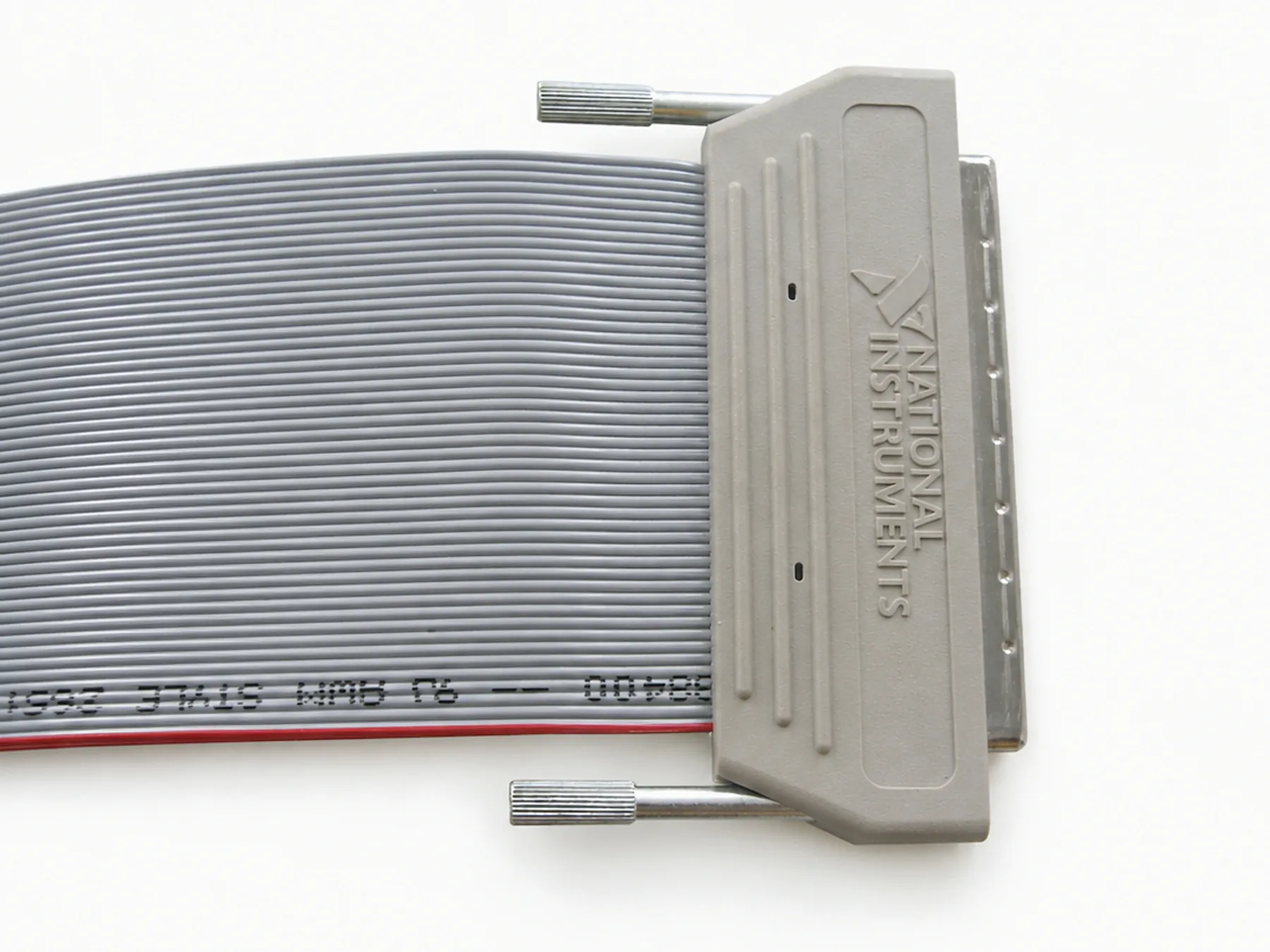
Dimensions and end-treatment decisions to fix first
- Which flat-cable part or construction, conductor count, pitch, and overall width are specified?
- Where should conductor separation begin and end, and which reference edge controls the dimensions?
- What finished length, end preparation, connector orientation, or strain relief is required?
- Which visual, dimensional, electrical, or functional checks are specified?
Show the split layout from a stated reference edge
- Flat-cable part or construction, conductor count, pitch, overall width, and marked reference edge
- Split or tear start and end points, joined length, finished length, end preparation, tolerances, and quantity
- Connector or terminal details, orientation, pinout, strain relief, inspection criteria, test method, and required records
Processing controls
Keep pitch, split geometry, cut length, and appearance in one drawing
Flat-cable processing depends on the identified cable construction and dimension references. Connector and test details should be included when they affect the finished assembly.
| Cable identification | Part or construction, conductor count, pitch, overall width, and reference edge define the processing baseline. |
|---|---|
| Split and tear geometry | Joined sections, separated conductor lanes, start and end points, and tolerances follow the drawing. |
| Cut dimensions | Finished length and end-preparation dimensions are measured from stated references. |
| Appearance | Edges, conductor separation, cable condition, and end treatment follow drawing-based pass/fail criteria. |
| Verification | Continuity, polarity, connector fit, or other checks are included only when the method and limits are supplied. |
Process examples
Visible process details tied to RFQ inputs
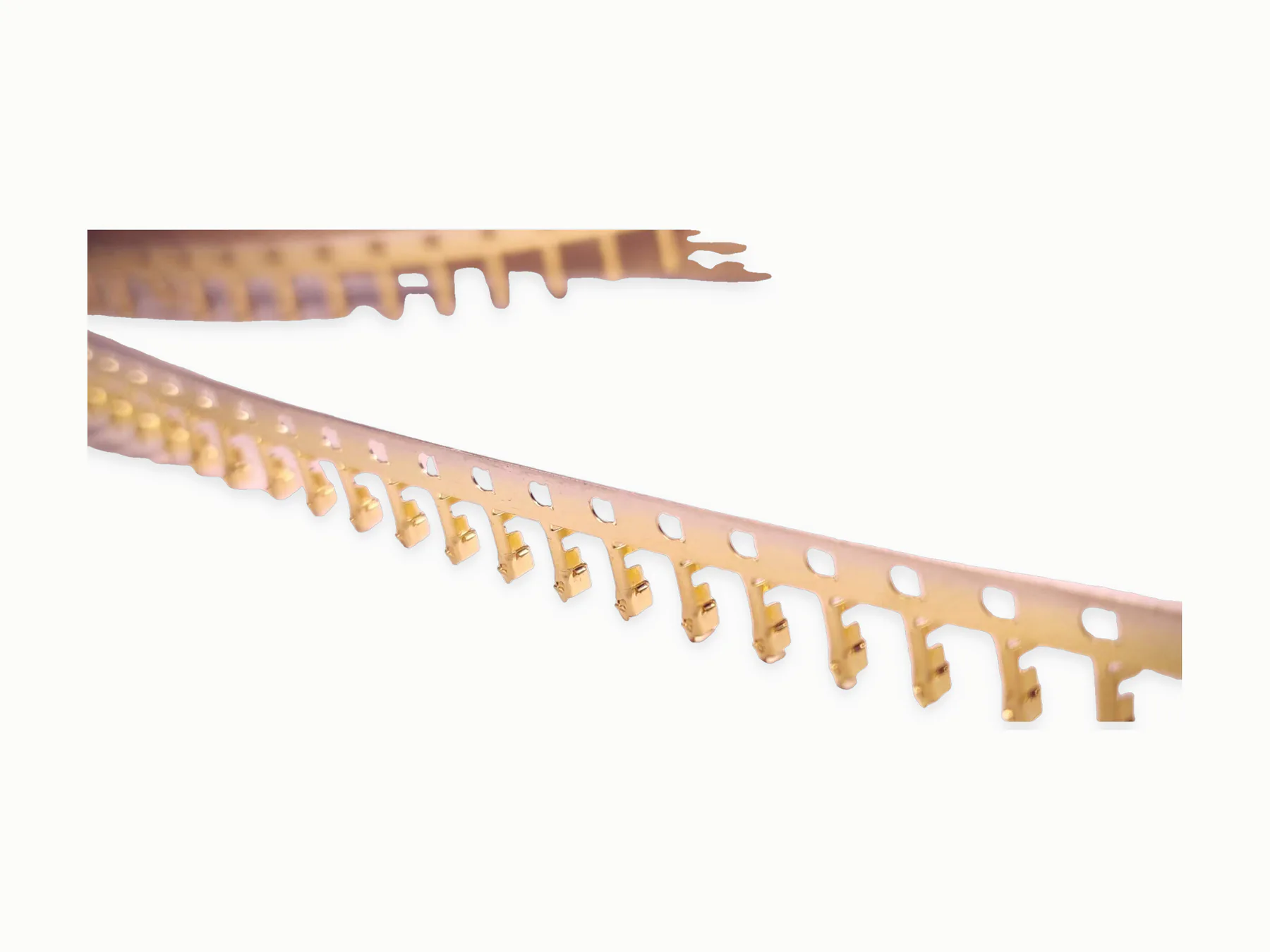
These images show where drawings, dimensions, connector details, materials, tests, and records affect the manufacturing step.
In‑house scope
Splitting, tearing, cutting, assembly, and specified checks
The confirmed in-house scope covers ribbon-cable splitting, tearing, and cutting, with assembly and electrical checks when they are part of the supplied build requirements.
- Ribbon cable splitting, tearing, and cutting
- Assembly
- Electrical testing
Project boundaries
Components and acceptance criteria come from the RFQ package
Specify the ribbon-cable construction, connector series, applicable certification scope, and pass/fail limits in the drawing or inquiry package.
Process flow
Review, dimension, process, assemble, and inspect
Use the drawing, cable identification, and supplied test method as the production baseline.
- 1Review the flat-cable construction, drawing, and reference sample when supplied
- 2Confirm conductor count, pitch, reference edge, split layout, and cut dimensions
- 3Split, tear, and cut the flat cable to the stated geometry
- 4Complete specified end preparation or assembly steps
- 5Inspect appearance and dimensions and run supplied electrical checks
Related routes
Products that can use ribbon-cable processing
Request a quote
Send the flat-cable drawing
Include the cable identification, conductor count and pitch, split layout, cut length, end treatment, connector details, quantity, and inspection or test criteria.