Design & Materials
Cable Assembly vs. Wire Harness
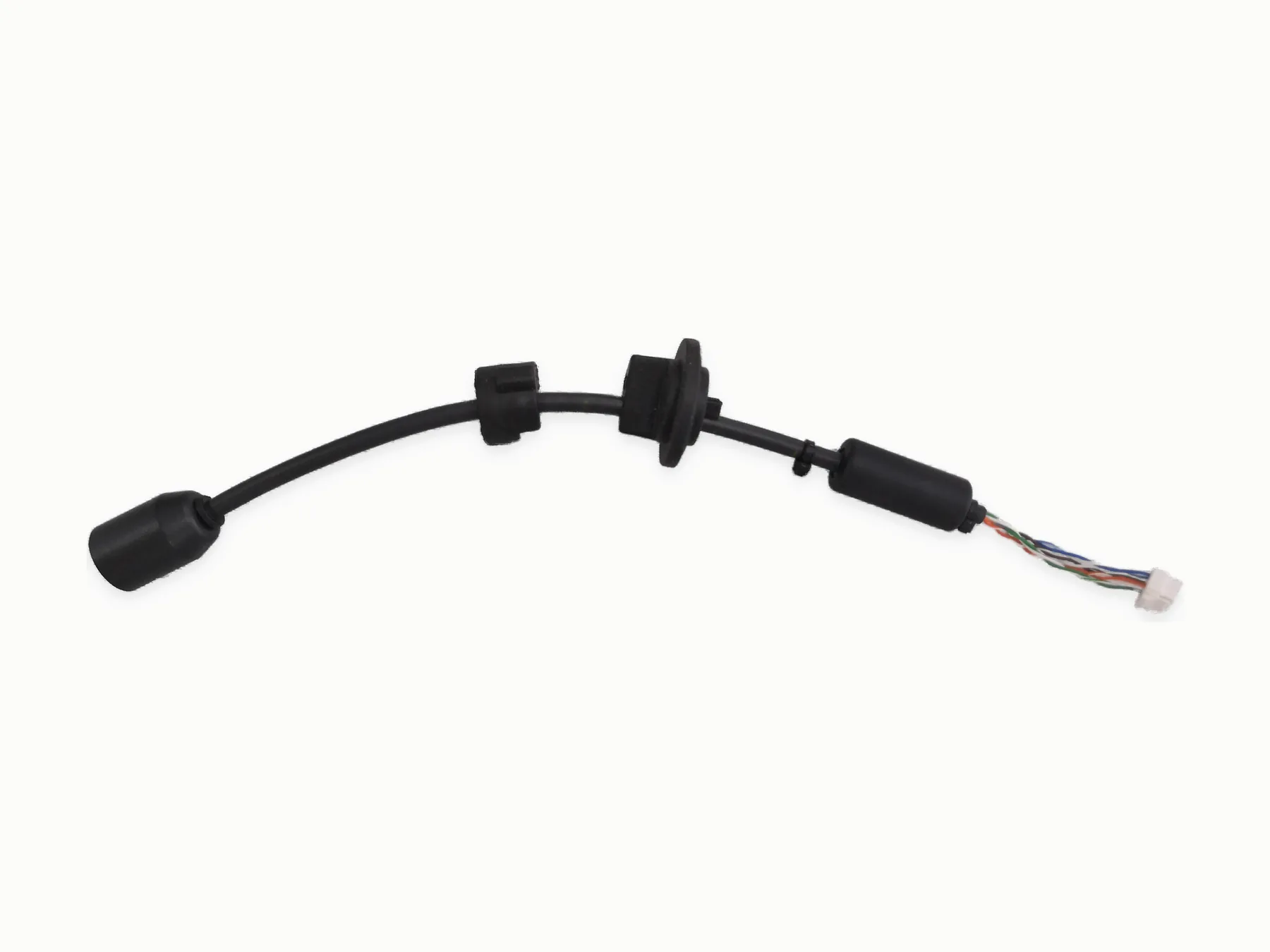
A cable assembly usually describes one cable or cable bundle terminated for a defined connection. A wire harness usually describes a routed set of wires with branches, connectors, labels, and protection. The drawing decides the build, not the name alone.
Prepared by MTTJPublished: Updated:
Decision summary
What to carry into the decision
- Choose the name from the physical architecture and documentation needed, not from a marketing label.
- A point-to-point connectorized lead is usually managed differently from a branched, routed, and labeled harness.
- The drawing, BOM, routing, test, and packing package matters more than the label used in the inquiry.
Direct answer
Use cable assembly when the main requirement is a cable construction with one or more terminated ends. Use wire harness when the main requirement is routed wires or cable branches organized by a layout, BOM, labels, ties, sleeves, and connector positions.
MTTJ will still quote from the drawing package. If a project uses both terms, the controlled drawing, BOM, wiring table, and test method decide what is built.
Practical scope difference
Cable assemblies focus on cable type, jacket, shielding, connectorization, overmolding, electrical checks, and packing.
Wire harnesses focus on wire gauge, terminal data, branch lengths, routing protection, connector housing positions, labels, continuity checks, and layout control.
| Cable assembly | Cable construction, connector ends, shielding, overmold, length, and electrical checks. |
|---|---|
| Wire harness | Branches, terminals, labels, ties, sleeves, layout board, and connector positions. |
| Overlap | Both can include crimping, soldering, overmolding, testing, inspection, labels, and packing. |
Checklist before RFQ
The fastest RFQ package names the intended structure and then supplies the details that remove ambiguity.
- Drawing or sketch with branch lengths, cable lengths, connector orientation, and cable exits.
- BOM with connector, terminal, wire, cable, sleeve, tie, label, and no-substitution notes.
- Wiring table, pinout, shielding and grounding plan, test method, and pass/fail limits.
- Quantity, sample plan, packing, required records, and delivery destination.
Project requirements
State certification, application, and test requirements in the project scope and supporting documents for the assembly being quoted.
Architecture comparison
Use the table to choose the document structure, not to force a product into one label.
| Conductors | Individual wires, jacketed cable, or a mix of both. |
|---|---|
| Routing | Point-to-point path or multiple branches with controlled breakouts and tie points. |
| Identification | End labels only or branch, circuit, and connector identification across the assembly. |
| Build control | Cable drawing, wiring table, harness board or fixture, BOM, and inspection plan. |
Avoid naming-only specifications
Requests such as ‘one custom harness’ or ‘one cable’ do not settle conductor construction, routing, connector identity, pinout, protection, or tests. Lead with the architecture and use the preferred product name as a convenient label.