Supply Chain & Program Risk
Cable Assembly Manufacturing Location Decision Guide
Choose a cable assembly manufacturing location by comparing the complete operating model for the same build: supplier ecosystem, process fit, tooling and validation, transport, total landed inputs, engineering-change response, and continuity. A country label alone does not decide which route fits an assembly.
Prepared by MTTJPublished: Updated:
Decision summary
What to carry into the decision
- Compare locations with the same drawing, BOM, quantity profile, test scope, packaging, destination, and commercial period.
- Evaluate component ecosystem, process fit, engineering communication, tooling, quality records, change control, logistics, origin, and continuity together.
- Use scenarios instead of a permanent country ranking or savings claim.
Direct answer
Compare locations only after the assembly definition is stable enough to expose the real tradeoffs. The same drawing, BOM, quantity profile, test plan, record package, packing method, delivery terms, and destination should be used for each option.
The result may differ by assembly and program stage. This guide does not rank countries and does not assume that one program will use more than one manufacturing site.
Neutral decision framework
Document the evidence and open assumptions behind each factor instead of assigning a location from unit price alone.
| Supplier ecosystem | Availability and control of specified wire, cable, connectors, terminals, molding materials, labels, packing, and selected supporting processes. |
|---|---|
| Manufacturing fit | Match between the drawing and available wire processing, termination, overmolding, routing, assembly, inspection, and record controls. |
| Tooling and validation | Molds, applicators, fixtures, gauges, programs, first articles, sample comparison, custody, maintenance, and transfer needs. |
| Transport and inventory | Packing density, handling risk, shipment mode, route variability, inventory policy, destination, and recovery options. |
| Total landed inputs | Recurring price, NRE, tooling, packing, freight, insurance, brokerage, duties or taxes confirmed by the importer, inventory, and quality costs. |
| Change response | Drawing, BOM, component, process, test, label, and packing change communication across the engineering and manufacturing teams. |
| Continuity | Single-source parts, tool access, alternate-component validation, capacity discussion, transport options, and second-source readiness. |
Compare the same build and program stage
Prototype, transfer, and repeat-production work can emphasize different factors. Early samples may depend on engineering access and tooling iteration, while repeat builds may place more weight on component flow, test cycle, packing, inventory, and destination delivery.
Keep one comparison sheet for assumptions, one-time costs, recurring costs, validation, change control, transport, and open risks. Do not convert the result into a fixed lead-time or savings promise.
Common missing information
Location comparisons often omit destination, shipment terms, packing, demand variability, inventory policy, tooling custody and transfer rights, test cycle, required records, engineering-change frequency, and single-source connectors or materials.
A broad factory or country comparison is not decision-ready until those inputs are tied to the actual assembly and its release criteria.
RFQ action
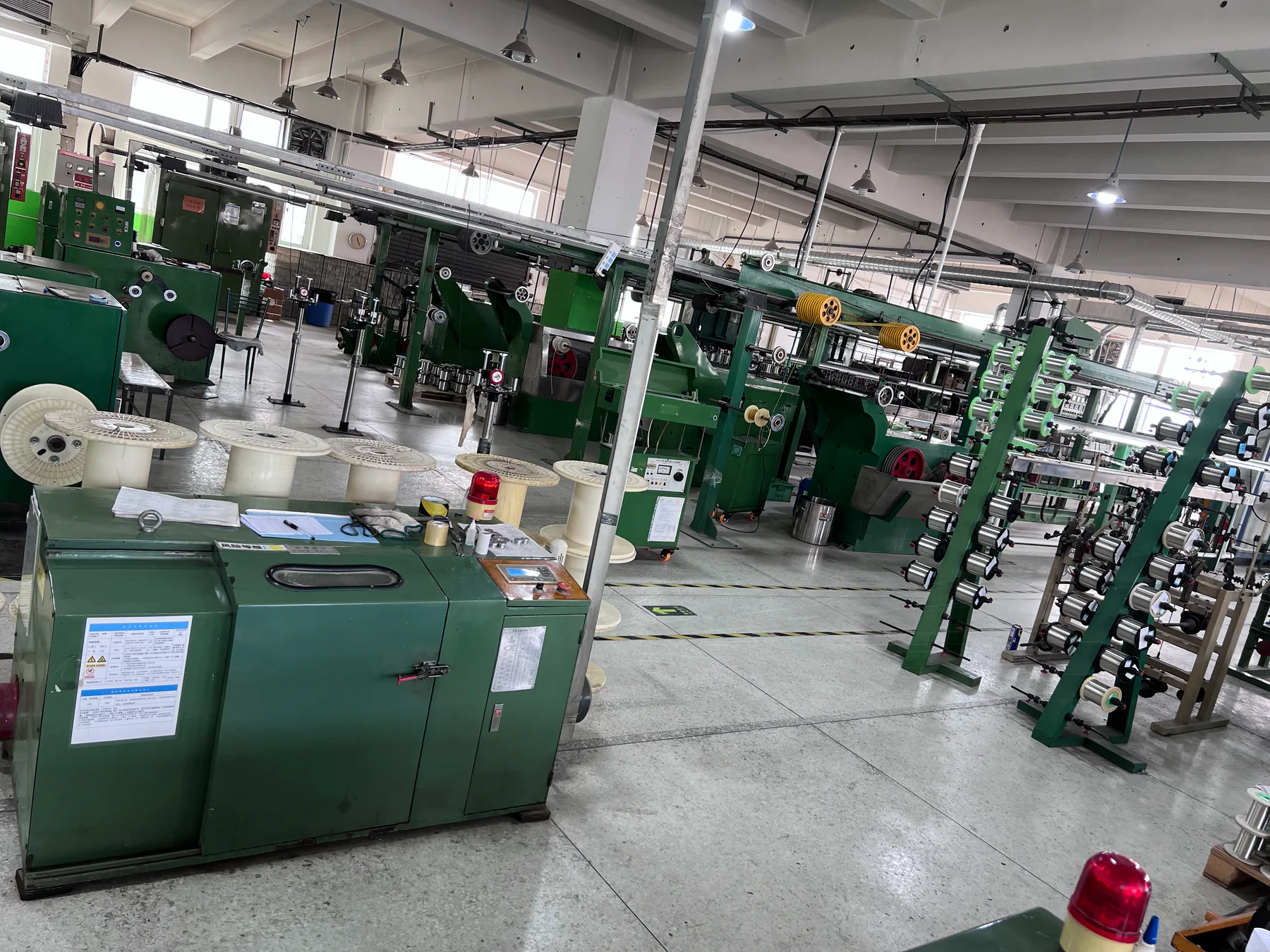
Provide the drawing, BOM, quantity profile, program stage, tooling status, tests and records, packing, delivery destination, and known continuity risks. MTTJ can then discuss the China manufacturing scope and the manufacturing and logistics questions that affect the specified assembly.
Location comparison scorecard
Weight the factors for the assembly and program stage under review.
| Build fit | Materials, connectors, processes, tooling, tests, records, and engineering-change support. |
|---|---|
| Commercial model | Recurring and non-recurring scope, quantity cadence, currency date, packing, freight term, and inventory. |
| Trade and delivery | Origin analysis, classification input, destination requirements, route, handoffs, documents, and scenario date. |
| Continuity | Single-source items, alternate path, tooling access, demand surge assumptions, communication, and recovery plan. |
Avoid permanent country conclusions
A useful location decision is dated and assembly-specific. Revisit it when the BOM, demand, process, shipping route, origin rule, tariff measure, currency, inventory policy, or delivery destination changes.