Capability
Custom Wire / Cable Extrusion
Cable extrusion is used when standard cable does not meet the needed function, routing space, use environment, or downstream assembly fit. An initial discussion can start with those constraints and open questions before a complete cable construction is specified.
Request a Quote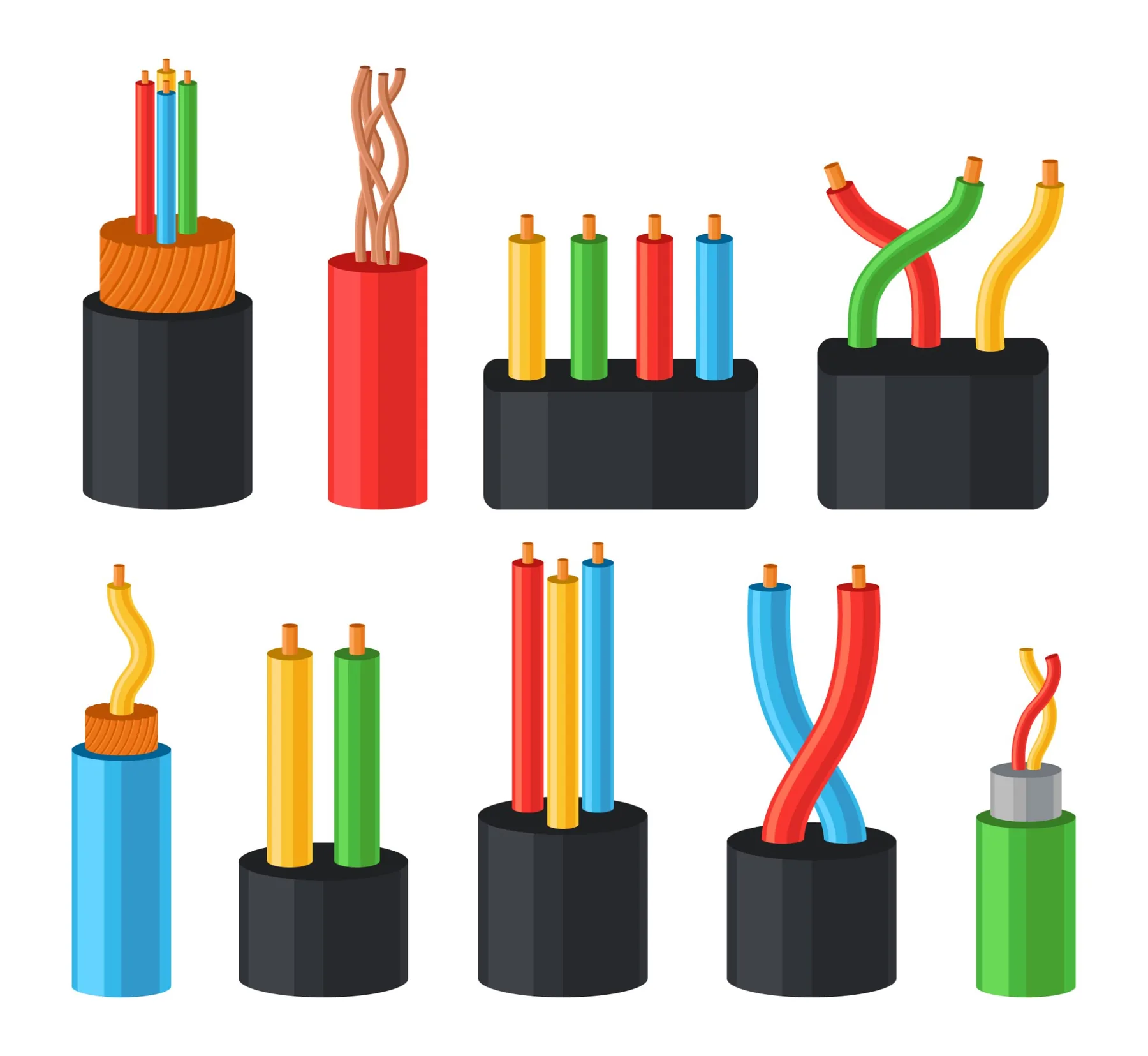
Cable construction, downstream fit
- Why does standard cable not fit the required function or routing space?
- What use environment, movement, flexibility, or jacket needs are known?
- Which conductor, shielding, color, interface, or dimension requirements are already known?
- Which questions still need to be defined?
- Will the shipment need material, inspection, or delivery records?
Known requirements and questions to resolve
- Why standard cable does not fit, the required function, routing space, use environment, and open questions
- Known conductor, jacket, shielding, color, marking, and assembly-fit details
- Record, target-market, tooling, or downstream assembly details that affect the specified construction
Inspection
What is checked on the finished cable
Conductor identification, outside diameter, jacket surface, color, marking, and fit with stripping, connectors, and overmolding are checked against the cable drawing.
| Construction | A drawing or construction target can define conductor count, wire gauge, shielding, fillers, and jacket; an initial inquiry can identify the constraints that will define them. |
|---|---|
| Materials | PVC, PE, PP, PU / TPU, TPE, PTFE, silicone, shielding, and covering structures are reviewed only where the project construction and application call for them. |
| Required records | Material, inspection, shipment, or requested records should be listed with the inquiry. |
Process examples
Visible process details tied to RFQ inputs
These images show where drawings, dimensions, connector details, materials, tests, and records affect the manufacturing step.
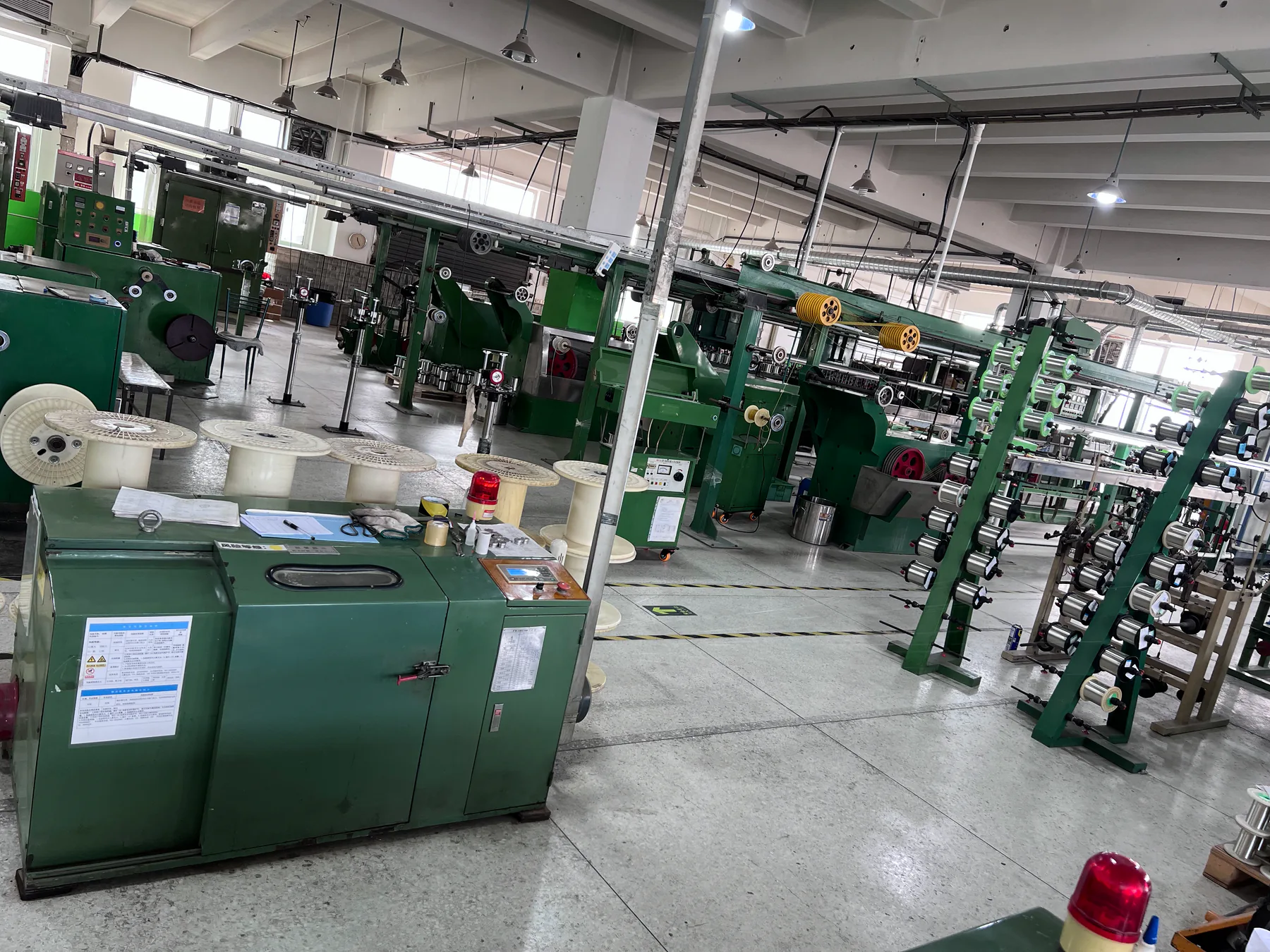
In‑house process
Extrusion for cable assemblies
Conductor preparation, insulation or jacket extrusion, marking, dimensional checks, and compatibility with later cutting and assembly are considered together.
- Wire and cable extrusion
- Wire cutting
- Wire stripping
- Electrical testing
Supply and documentation
Material and tooling choices for the specified construction
Special compounds, shielding, custom printing, unusual dimensions, and material documents are considered against the required function, use environment, and assembly fit.
Qualified-supplier coordination
- Horizontally injection-molded housings requiring horizontal molding machines
- PCB assemblies / circuit boards
- Specified plug, connector, or component sourcing
Process
From cable construction to fit
The conductor, shield, filler, and jacket construction is set before extrusion, then checked against the connector, routing, and overmold requirements.
- 1Discuss the required function, routing space, use environment, and known constraints
- 2Define conductor, jacket, shielding, marking, and assembly fit
- 3Match the cable construction to assembly and test needs
- 4List target-market documents and remaining constraints
- 5Feed the specified construction into sample and production planning
Related routes
Products that may need custom cable
Request a quote
Explain where standard cable falls short
Describe the function, space constraints, use environment, and open questions. Add known conductor, shield, jacket, marking, and assembly-fit details.