Supply Chain & Program Risk
Second-Source Cable Assembly Transfer Checklist
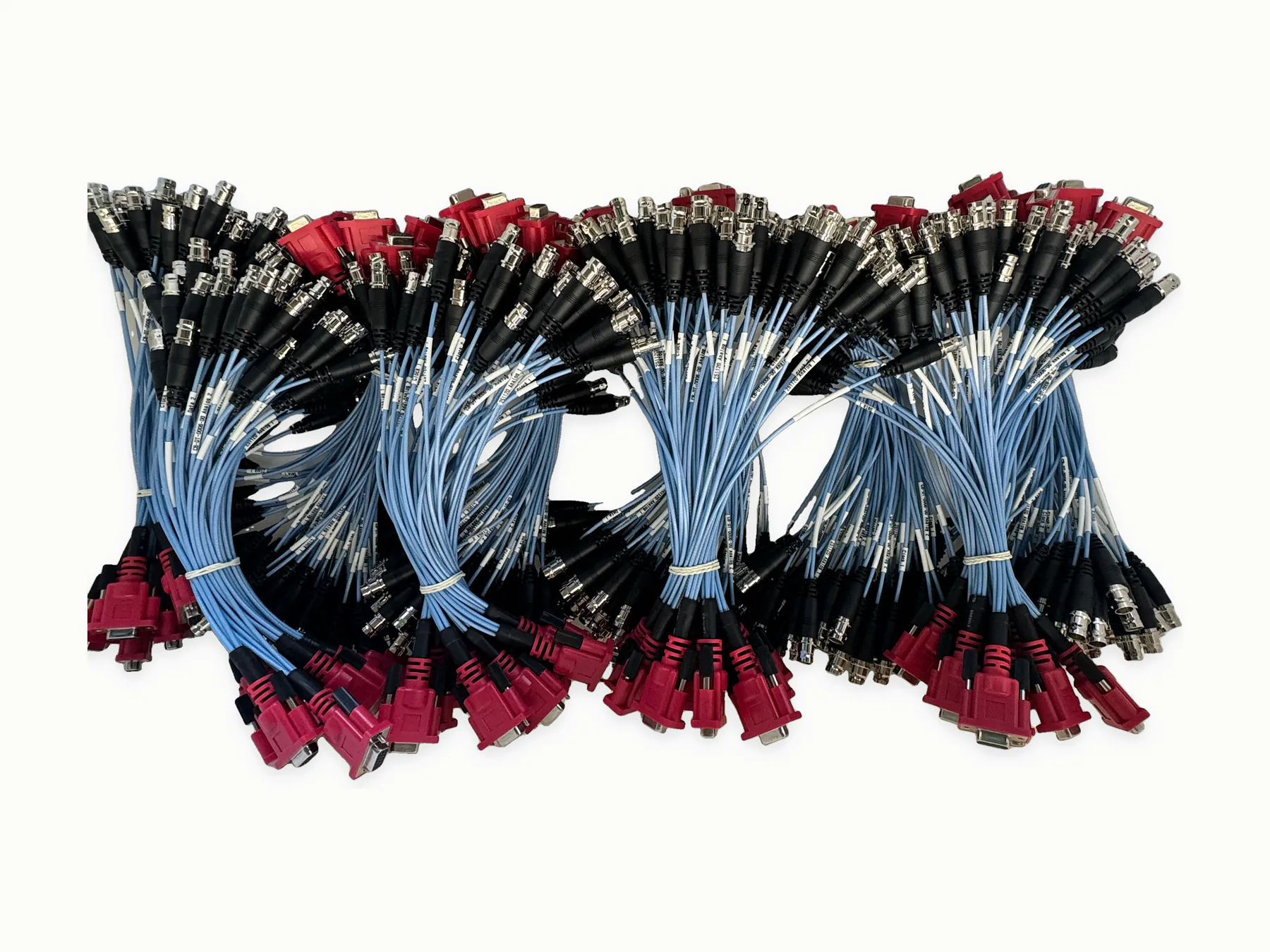
A second-source transfer should begin with the current drawing, reference sample, BOM, connector list, no-substitution items, inspection criteria, test method, records, packing, and change-control rules.
Prepared by MTTJPublished: Updated:
Decision summary
What to carry into the decision
- Transfer the current controlled build, not only a physical sample.
- Separate required replication from improvements or substitutions proposed during the transfer.
- Compare first articles with the same dimensions, components, test methods, labels, packaging, and record rules used by the current source.
Direct answer
For a second-source quote, send the current drawing, reference sample, BOM, approved vendor list if any, no-substitution items, test method, inspection criteria, required records, labels, packing, and sample approval plan.
Transfer checklist
The transfer package should separate current build requirements from requested improvements.
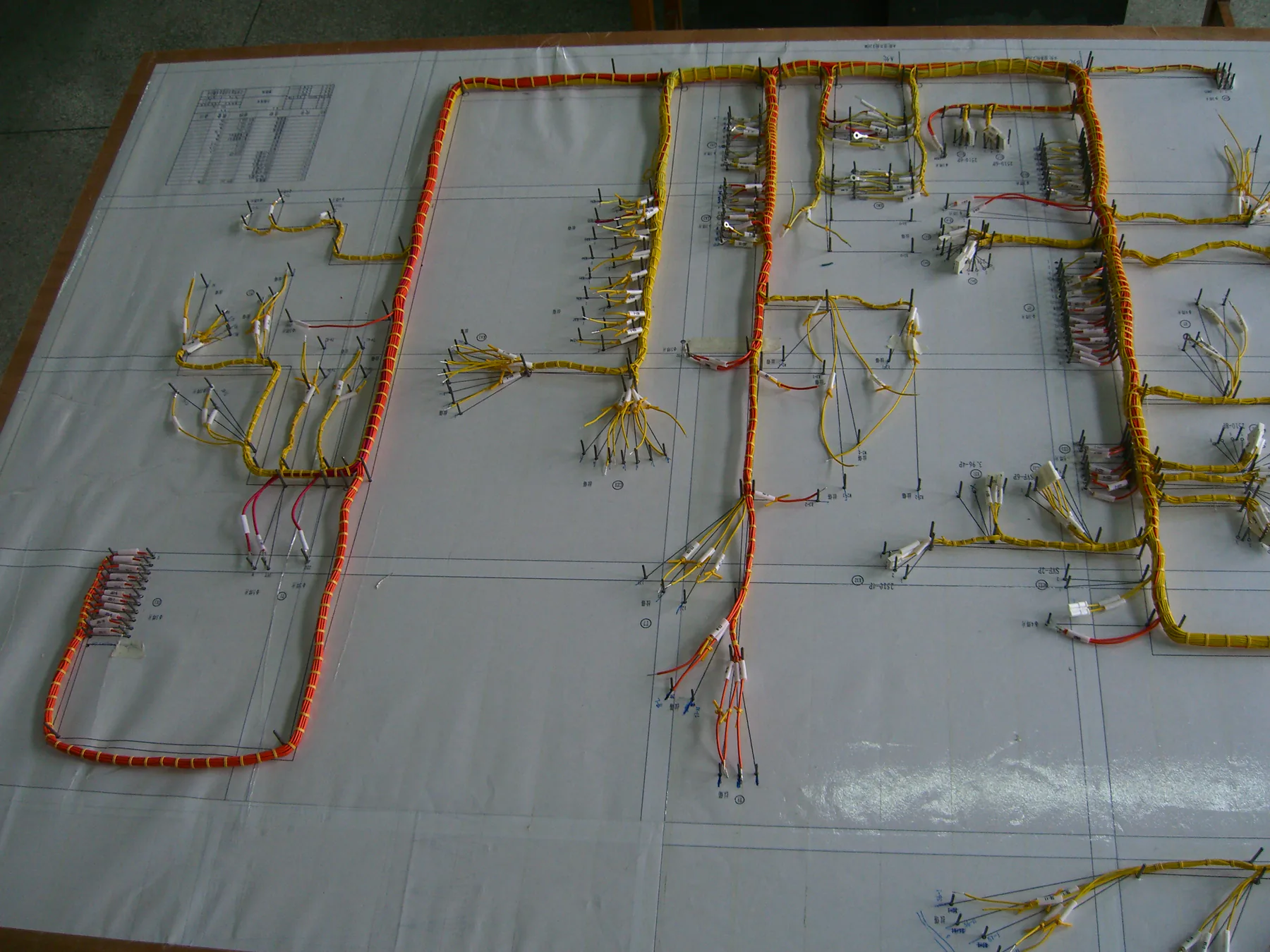
- Current drawing revision, wiring table, BOM, connector list, and sample photos.
- No-substitution items, accepted equivalents, material documents, and target-market records.
- Existing inspection criteria, test fixture, pass/fail limits, label, and packing requirements.
- Sample quantity, comparison method, approval path, change-control rules, and delivery destination.
What to compare
Compare cable length, wire gauge, connector orientation, branch dimensions, terminal seating, label location, jacket condition, electrical checks, and packing before changing sources.
Validate the proposed supplier and production route
Confirm which cutting, stripping, crimping, soldering, overmolding, routing, inspection, and electrical checks are performed by the proposed manufacturer and which specified items depend on qualified suppliers.
Review connector and terminal sourcing, tooling and fixture custody, calibration or maintenance needs, test equipment, sample records, packaging controls, and the process for communicating component or process changes.
- Use the same build baseline, sample quantity, test method, and record format for the current and proposed source.
- Identify single-source connectors, materials, tooling, software, or fixtures before the transfer schedule is discussed.
- Record differences and agreed changes before releasing repeat production.
Control substitutions and changes
Use the supplied change-control process to review and record each proposed material, connector, process, test, packing, or record change before the transferred build.
Second-source qualification is not complete because two quotes exist. The comparison should show how samples, dimensional and electrical checks, required records, packaging, and open differences will be evaluated against the same release criteria.
Second-source comparison matrix
Judge the same revision and configuration on both sides.
| Product | Dimensions, components, pinout, routing, termination, labels, and visual criteria. |
|---|---|
| Process | Tooling, fixtures, controlled settings, work sequence, inspection points, and authorized deviations. |
| Verification | Test method, limits, frequency, sample plan, records, and first-article comparison. |
| Supply and delivery | Approved sources, lead-time assumptions, packaging, demand pattern, destination, and change notification. |
Avoid transferring undocumented exceptions
If the current assembly contains accepted differences from the drawing, record them before quotation. Otherwise a new source may reproduce the document while failing the real fit, or reproduce the sample while missing the approved specification.